This event has finished
Ran Oct 2–5, 2026
About This Event
Sagres sits under one of Europe's great migration funnels, and this festival is built around it.
Quick answers
When is it?
It takes place from October 2 to 5, 2026.
Where is it?
You can find it at Forte do Beliche, Sagres.
Every autumn, raptors and seabirds heading south to Africa pile up at Sagres because they will not cross open water. The headland funnels them into one of the most concentrated migration-watching spots in Europe, and this festival exists to take advantage of that. Four days in early October, based out of Forte do Beliche, with guided walks, boat trips, ringing demonstrations, talks and enough telescopes set up at watchpoints to make even a casual visitor feel like they are part of something.
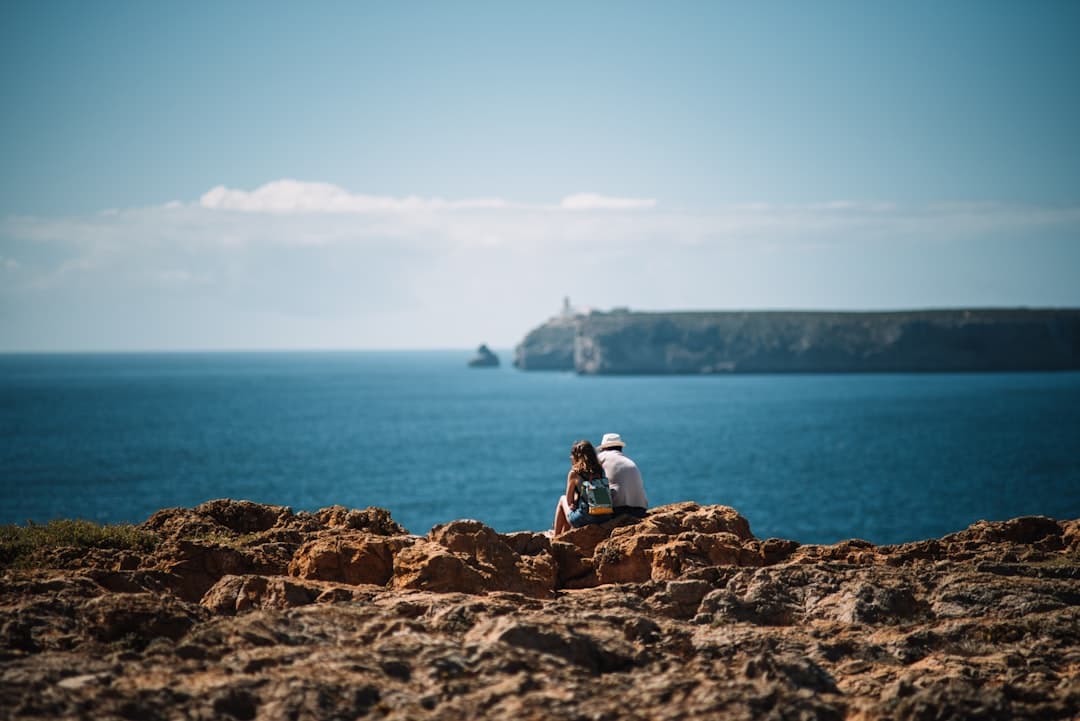
Sagres sits at the southwestern corner of Portugal, where the coast turns the corner from south-facing to west-facing, and migrating birds treat it as the last piece of land before the Atlantic. They hesitate, they circle, they wait for the right conditions, and in the process they concentrate into numbers that can be startling. Honey buzzards, black kites, booted eagles, short-toed eagles, and on good days several thousand raptors passing overhead in a single morning. Seabirds — shearwaters, skuas, gannets — stream past offshore, and the boat trips run specifically to get closer to them.
Much of the programme is free. The watchpoints are staffed by volunteers who are happy to explain what you are looking at, and telescopes are usually available for public use. The guided walks and boat trips need advance booking and do fill up, especially the pelagic trips, which head out into deeper water to look for seabirds that rarely come close to shore. If you are planning to join one of those, book a week ahead rather than hoping for a last-minute slot.
You do not need to be a birder to get something out of this. The scale of the migration is visible to anyone, and the setting — the cliffs, the fortress, the Atlantic stretching away to the west — is dramatic enough to carry the experience even if you cannot tell a kite from a buzzard. That said, bring binoculars. The festival provides telescopes at key points, but binoculars give you the freedom to follow birds on your own terms, and the difference between watching a distant speck and watching a bird of prey at close range is significant.
Bring a windproof layer. The Sagres headland in October is not the Algarve most visitors picture. It is windy, often cold, and the weather can turn quickly. Peak raptor passage is usually mid-morning, so the early start is worth it, but that also means standing on an exposed clifftop at 8am in conditions that can feel more like November in Scotland than autumn in southern Portugal. Layer up, and expect to be colder than you think you should be.

The festival is based at Forte do Beliche, a small clifftop fort a few kilometres west of Sagres village, but events and walks run across the headland and along the coast. Parking at the fort is limited, and the access road is narrow, so car-sharing is encouraged. The village of Sagres itself has accommodation and restaurants, and it makes a reasonable base for the weekend if you are planning to attend multiple events.
If the festival dates do not suit, the headland is worth the drive at any point between late September and early November. The birds do not know the programme, and the migration runs for weeks. The festival simply provides structure, expertise and company. If you are in the western Algarve in early October and you have any interest in natural spectacle, this is worth a day of anyone's time.
Event Details
Good to Know
- Many activities are free but boat trips and guided walks need advance booking
- Bring binoculars — telescopes are usually available at watchpoints
- The headland is windy and cold even in October; layer up
- Peak raptor passage is usually mid-morning
More Upcoming Events
Discover more of the Algarve