This event has finished
Ran Mar 28 – Oct 20, 2026
About This Event
Esta exposição, concebida especificamente para o ambiente singular da mina, propõe uma experiência imersiva que combina arte contemporânea, geológica e uma reflexão profunda sobre a relação entre o ser humano e os elementos naturais. Trata-se de um projeto cultural de grande relevância, com potencia
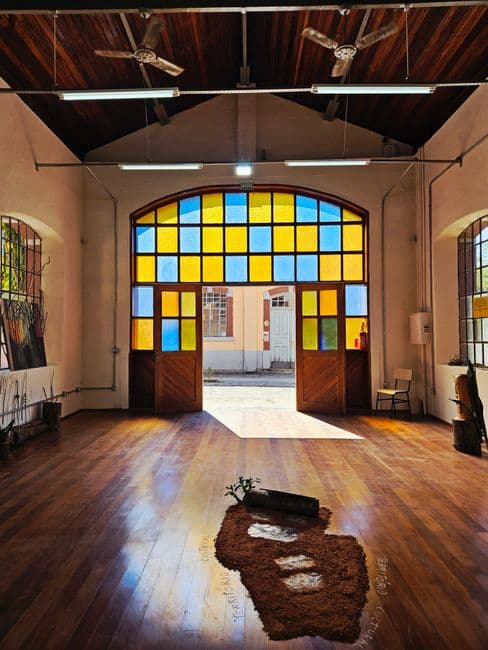
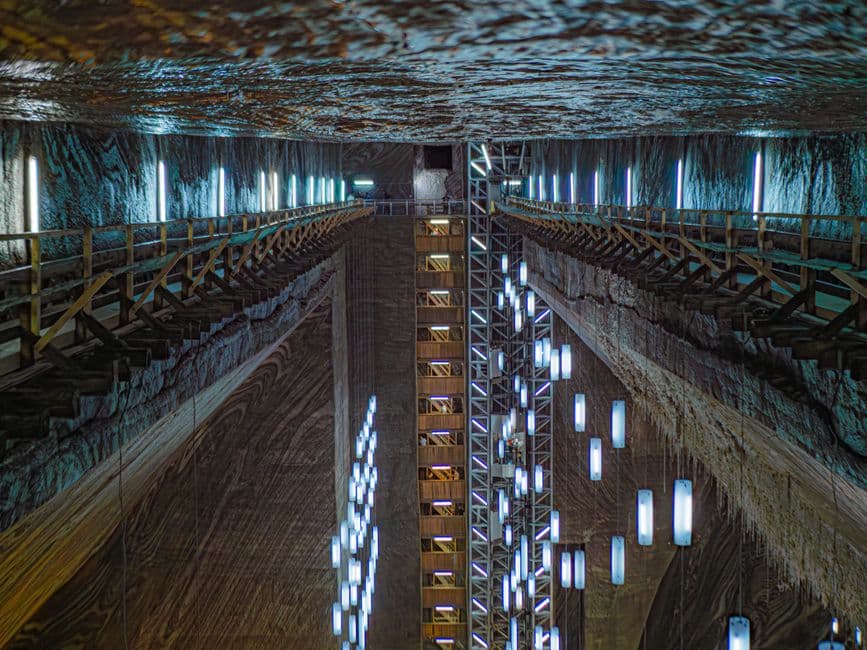
Loulé's disused mine plays host to a long-running contemporary art exhibition titled Os Cinco Elementos, a site-specific installation that explores the relationship between humanity and the natural world through the lens of geology, art, and immersive experience. The exhibition runs from late March through mid-October, a seasonal window that aligns with the mine's accessibility and the mild weather that makes the visit comfortable. The setting is as much a part of the work as the art itself: a former mining complex carved into the hills northeast of Loulé, its tunnels and chambers now repurposed as exhibition space.
The exhibition is built around the classical five elements—earth, water, fire, air, and a fifth that varies depending on interpretation, often spirit or void. Each section of the mine is dedicated to one element, with installations that respond to the space's industrial history, its geology, and its particular acoustics and light. The work is immersive in the literal sense: you walk through it, and the environment shapes how you experience the art. Some chambers are dark and require your eyes to adjust; others are lit in ways that emphasize the texture of rock or the glint of mineral seams. Sound plays a role, sometimes recorded, sometimes the natural echo of footsteps and dripping water. The effect is contemplative and often striking, particularly if you are open to the idea of art that does not hang on a wall but surrounds you.
The mine is located a few kilometres outside Loulé, in the hills that rise toward the Serra do Caldeirão. Access is by car or organised transport, as public bus routes do not serve the site directly. The road is narrow and winding, and the final approach is unpaved, so a hire car with reasonable clearance is advisable. The site is signposted, but not prominently, and mobile signal can be patchy, so it is worth downloading directions in advance. Parking is available near the entrance, and the walk from the car to the mine's main gallery is short but uneven.

This is not a free event, so expect to pay an admission fee. The site is managed as a cultural project rather than a commercial attraction, and the pricing reflects that—it is modest but not nominal. Opening hours are limited and vary by season, so check ahead to confirm when the mine is accessible. Guided visits are sometimes available, and they are worth considering if you want context on the site's history or the artists' intentions. The exhibition is not large in terms of square footage, but it is slow-paced by design; allow at least an hour, longer if you want to sit with the work and let the space settle around you.
Who this suits is anyone interested in contemporary art, particularly work that engages with place and materiality. It is not a quick, easy visit—the mine is remote, the environment is raw, and the art is conceptual rather than decorative. If you are looking for something immediately beautiful or Instagram-friendly, this may not deliver. But if you are drawn to the idea of art that asks you to think about geology, history, and the human relationship with extraction and earth, this is a rare opportunity to experience that in a setting that is genuinely unique.
The mine is cool year-round, so bring a layer even if the day is warm. The ground is uneven, and some sections require ducking or careful footing, so sturdy shoes are essential. The lighting is low in places, and there are no handrails or modern safety installations—this is a working art project in a former industrial site, not a museum. That rawness is part of the appeal, but it also means the visit is not suitable for very young children or anyone with limited mobility.
Loulé itself is worth exploring if you are making the trip. The town's Saturday market is one of the best in the Algarve, and the old quarter retains its Moorish street plan and a handful of good cafés and restaurants. The mine is a half-hour drive from the coast, so it is easy to combine with a beach day or a longer inland loop that takes in São Brás de Alportel or the hill villages to the north. The exhibition's seasonal run means it is not always available, so if you are visiting the Algarve outside the March-to-October window, you will need to plan for another year.
Event Details
More Upcoming Events
Discover more of the Algarve
Mercadinho da Figueira
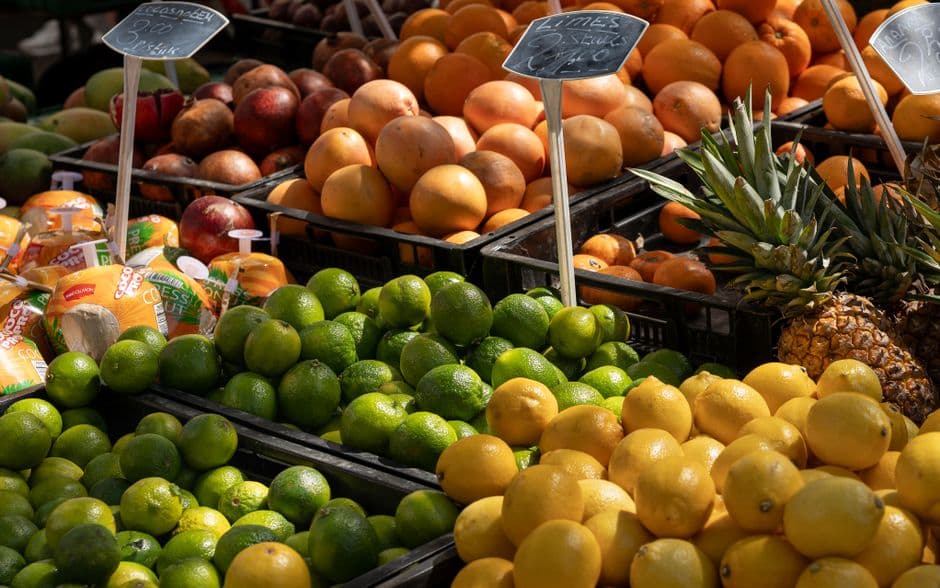
A partir de 21 de fevereiro, o espaço adjacente ao Polidesportivo da Figueira, recebe o novo Mercadinho da Figueira. A primeira edição é dedicada à laranja. Nas bancas dos produtores locais, poderá encontrar frutas, mel, licores tradicionais, doçaria típica, artesanato e muito mais, sempre acompanha
Os Cinco Elementos
Esta exposição, concebida especificamente para o ambiente singular da mina, propõe uma experiência imersiva que combina arte contemporânea, geológica e uma reflexão profunda sobre a relação entre o ser humano e os elementos naturais. Trata-se de um projeto cultural de grande relevância, com potencia