About This Place
Tiny historic hamlet perched above the Ria Formosa lagoon near the Spanish border. White chapel, 18th-century fort, and extraordinary views. Population: a few dozen. One restaurant.
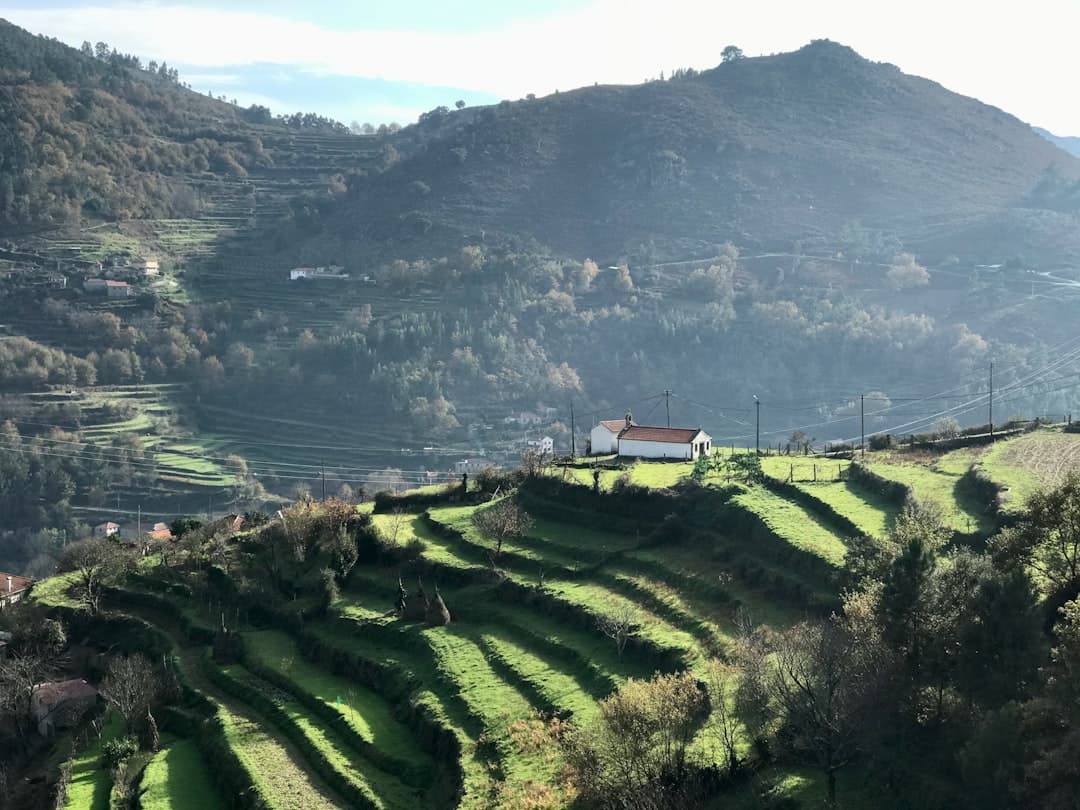
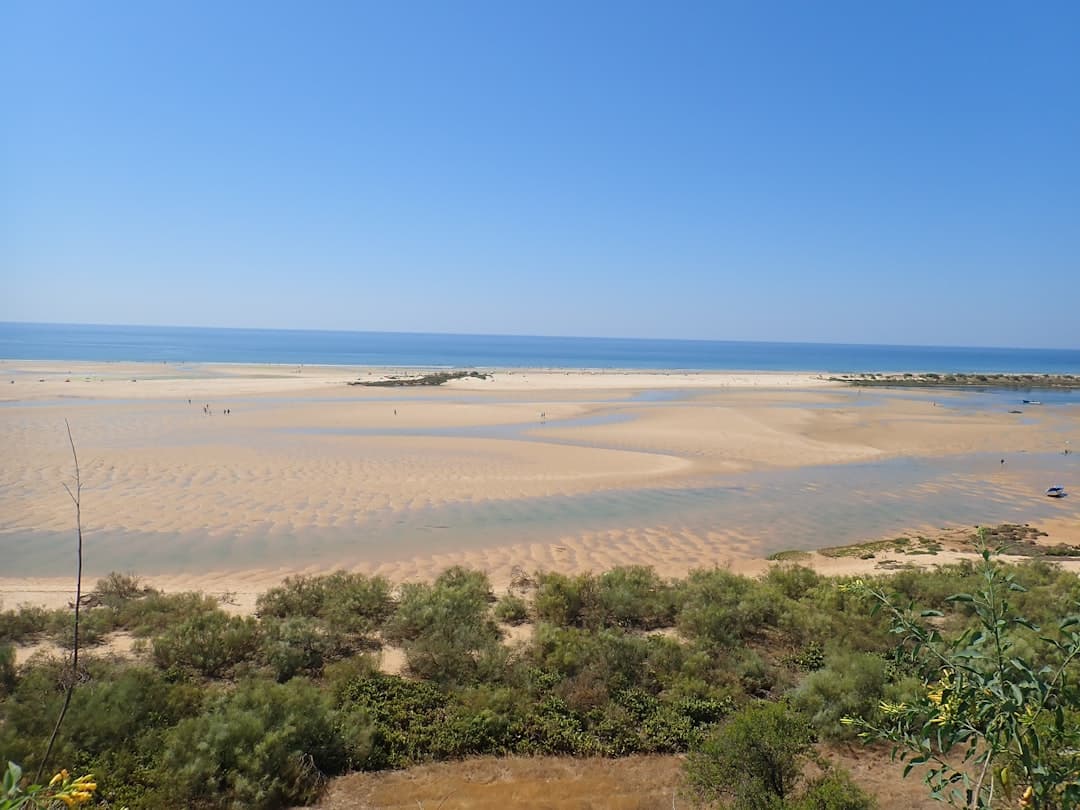
Cacela Velha is a hamlet—not even a proper village. Fewer than 100 people live here, most permanently. It sits on a clifftop above the Ria Formosa lagoon, perched between sea and wetland, offering extraordinary views across the lagoon to Spain. The place feels suspended in time: a small whitewashed chapel, the ruins of an 18th-century fort, a handful of houses, and one simple restaurant. It's one of the Algarve's least visited places, and one of the most special.
What to Do
There's little to "do" in the conventional sense. This is a place for sitting, looking, and feeling. The views across the Ria Formosa are extraordinary—a protected landscape of tidal flats, channels, and barrier islands. The chapel is small and simple, still used for occasional services. The fort (18th century) overlooks the lagoon and offers decent views from its walls. Inside, there's little to see beyond history.
The restaurant (there's only one) serves simple local food. The owner often cooks family meals that are shared with visitors. It's not a tourist establishment; it's just a place where people eat. The food is fresh and local—fish from the lagoon, vegetables from gardens, simple preparation. Eating here feels privileged.
The view itself is the main activity. Sit on the clifftop, watch the light change, observe the birds moving across the lagoon, and feel the quietness. It's what travel to places like this is really about.
A walking trail leads down to the lagoon edge and along the Ria Formosa. Kayaking is possible from the lagoon side (access from other towns is easier). The area is rich in bird life—wading birds, herons, egrets, spoonbills. October–March is migration season and offers the most activity.
Getting There
Cacela Velha is accessed by driving inland from Tavira on minor roads. The last stretch is a small road through farmland. The hamlet is tiny; there's a small car park at the entrance. Buses do not serve the hamlet directly. A car is essential. Faro airport is 45km away.
When to Visit
The hamlet is peaceful year-round. Summer brings a few more visitors but it remains quiet. May–June and September–October offer perfect weather. Spring and autumn are excellent for birdwatching. Winter is mild and solitary. The lagoon is most beautiful when light is soft—dawn or sunset.
Tips
- There is only one restaurant; bring snacks or eat elsewhere and return
- The walk has no handrails; not suitable for those with balance issues
- Bring water; there are no shops or facilities
- Come with no expectations except to sit and observe
- This is an unmissable place for those seeking authentic, undeveloped coast
Getting Here
Weather & When to Visit
Warm and pleasant with fewer crowds. Sea temperature remains inviting.
Sunshine
300+ days/year
Sea Temp
17–23°C
Tips for Autumn
- Great time for cultural experiences
- Wine harvest season — visit local vineyards
- Sea is still warm enough for swimming
Best for this season
Best time to visit
April–June and September–October offer the best balance of pleasant weather, fewer crowds, and good prices.
Things to Do in Cacela Velha
Discover Activities Across the Region
While we're adding more activities for Cacela Velha, explore guided tours, coastal hikes, and unique experiences throughout the Algarve.
What's Nearby
Discover more within 10km
Monte Gordo
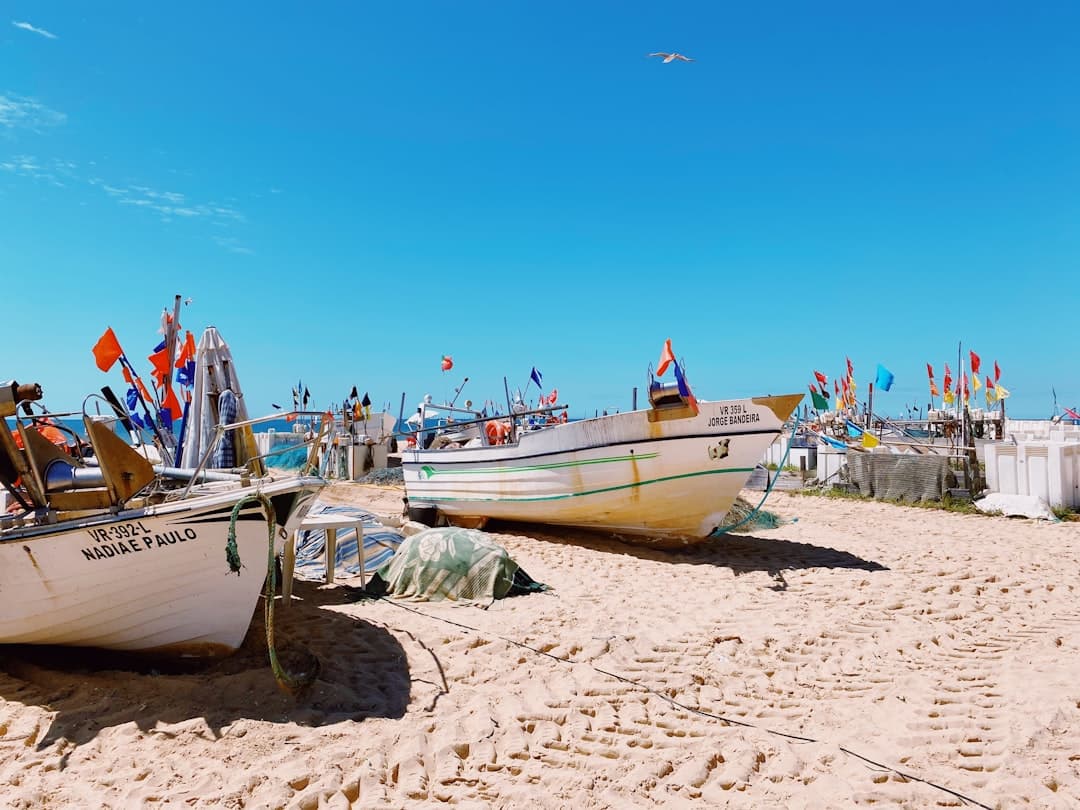
Eastern Algarve resort near the Spanish border. Long flat beach, casino, popular with Spanish visitors. Less developed than western resorts with calm sea and warm water.
Christmas Eve – Missa do Galo (Midnight Mass)
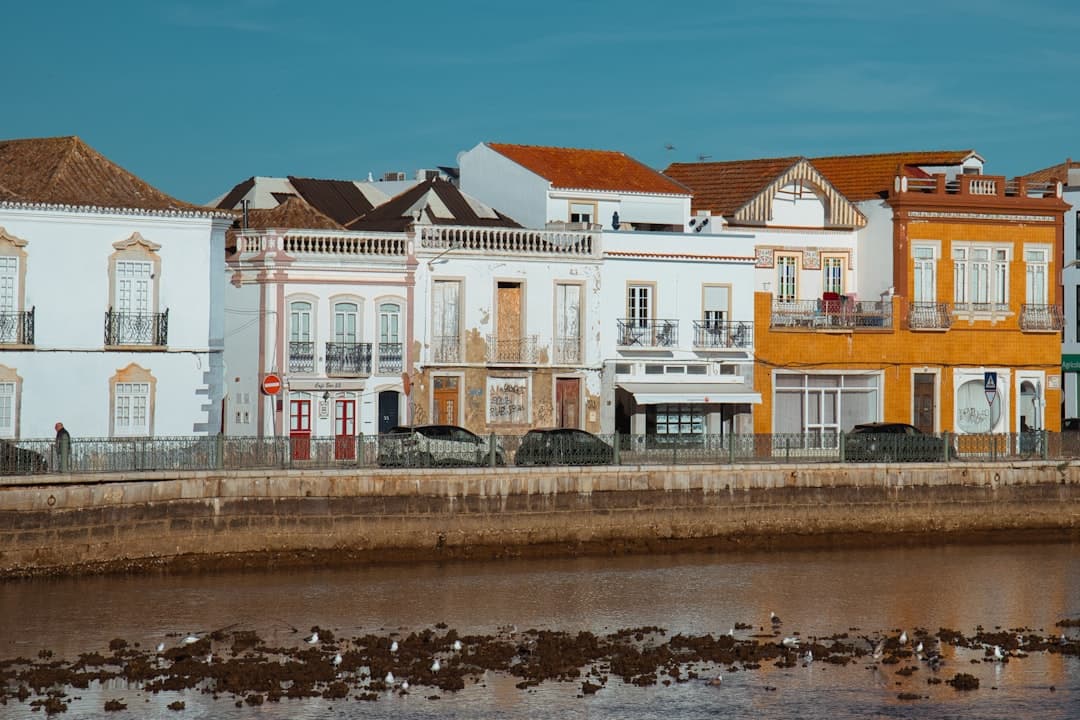
The traditional Missa do Galo (Midnight Mass) takes place on December 24, 2026 in Tavira, marking Christmas Eve with the Portuguese "Mass of the Rooster" celebration.
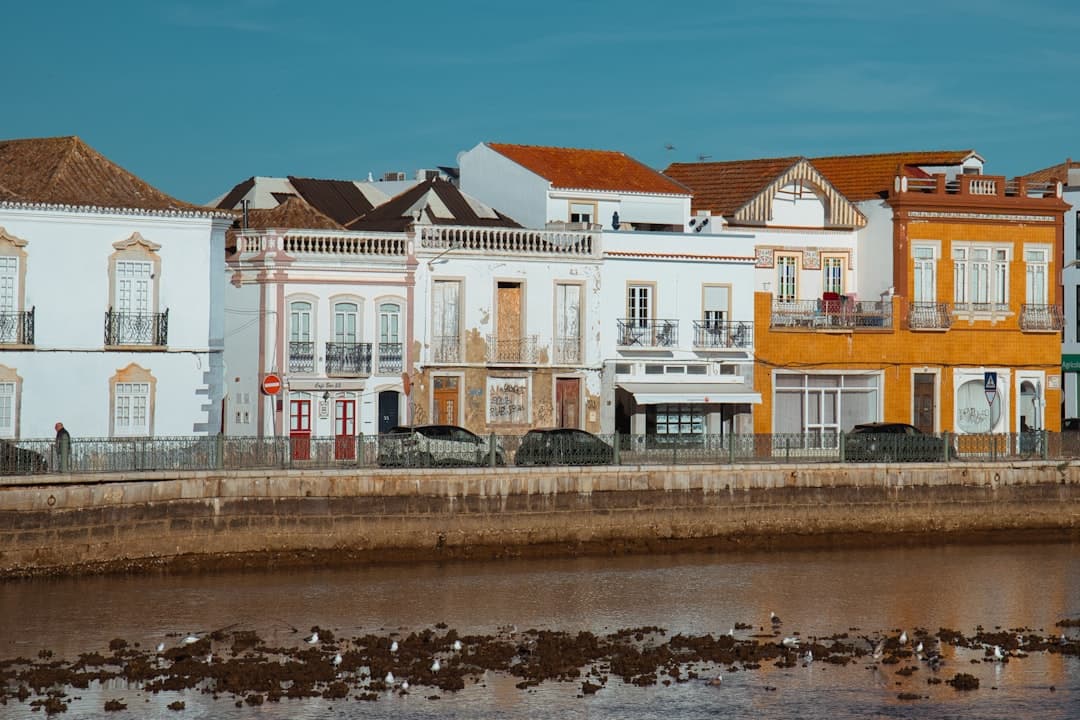
Immaculate Conception (Imaculada Conceição)
The Immaculate Conception (Imaculada Conceição) takes place on December 8, 2026 in Tavira, featuring Marian processions and church celebrations that mark the beginning of the Christmas season.
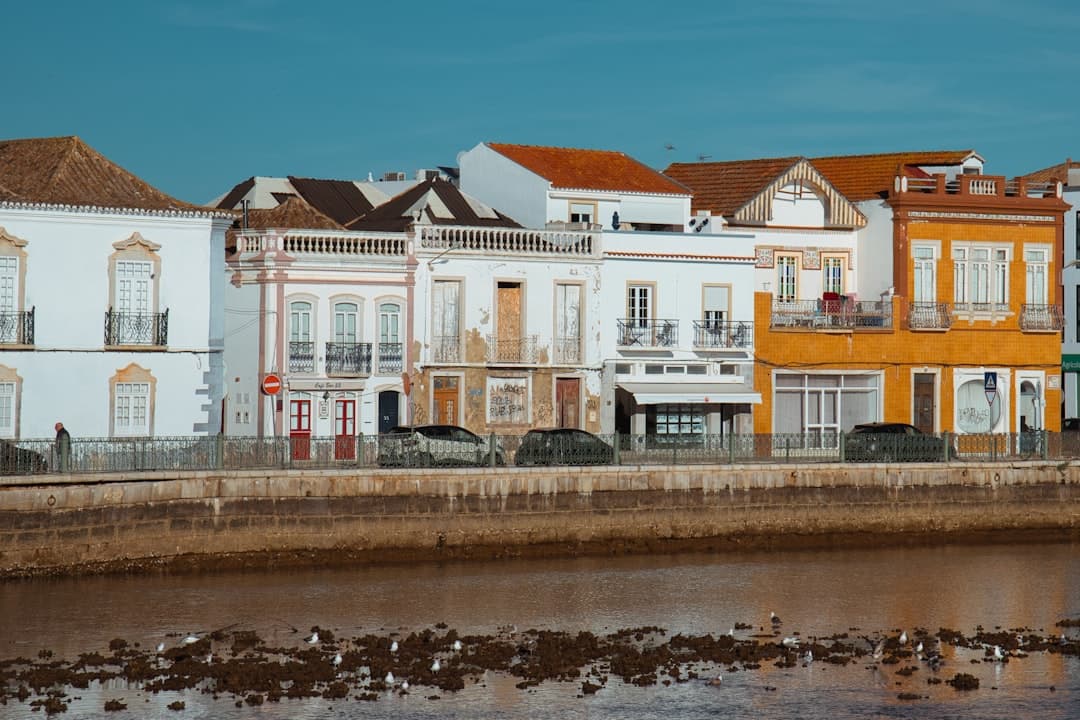
Christmas Day (Natal)
Christmas Day in Tavira on December 25, 2026, features morning Mass followed by traditional family celebrations with feasts and gift-giving.


More Places to Discover
Discover more of the Algarve
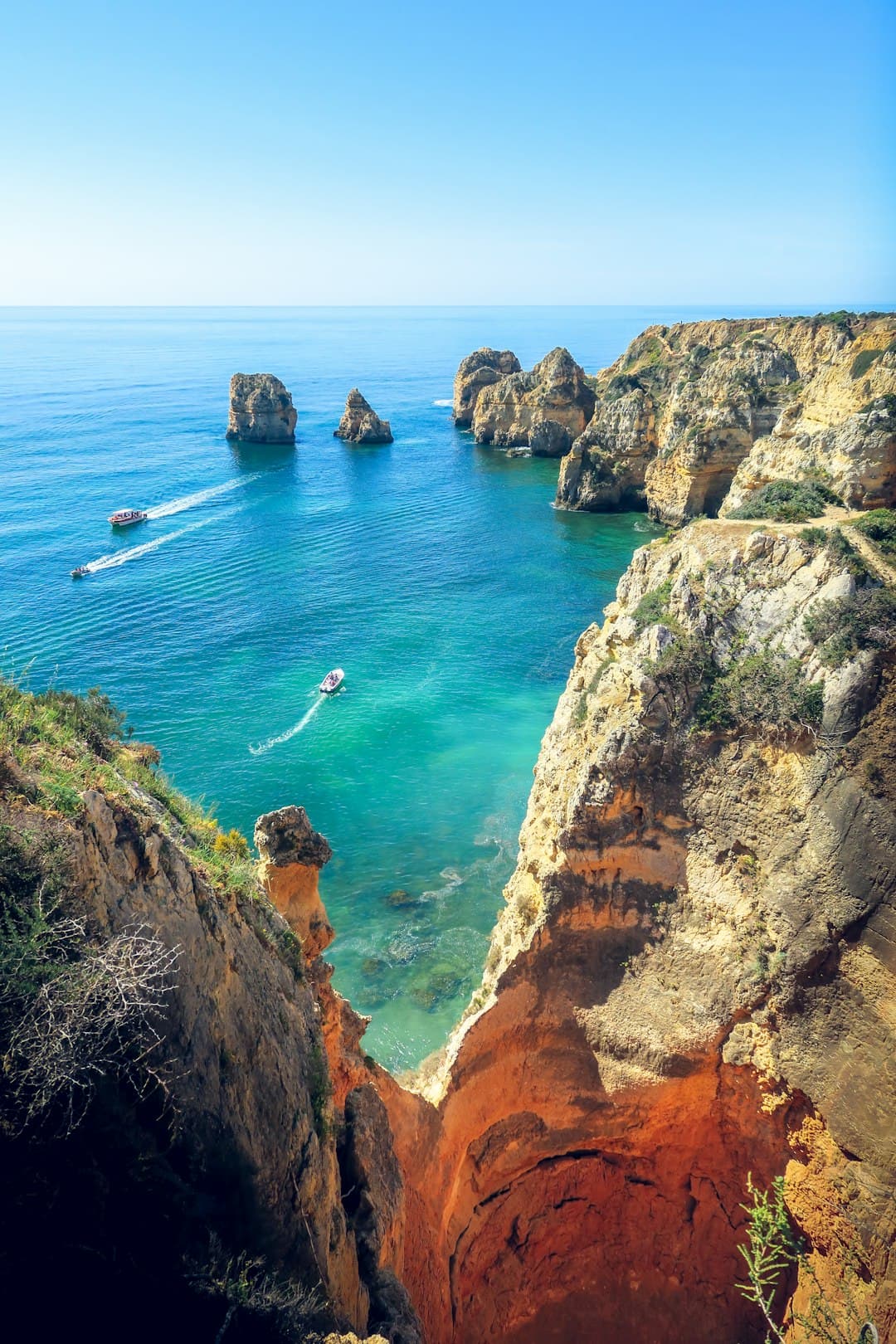
Vila do Bispo
The last town before the end of Europe — a working crossroads settlement in the far southwest, surrounded by the densest concentration of megalithic monuments on the Iberian Peninsula, and the final staging post on the Via Algarviana.