About This Place
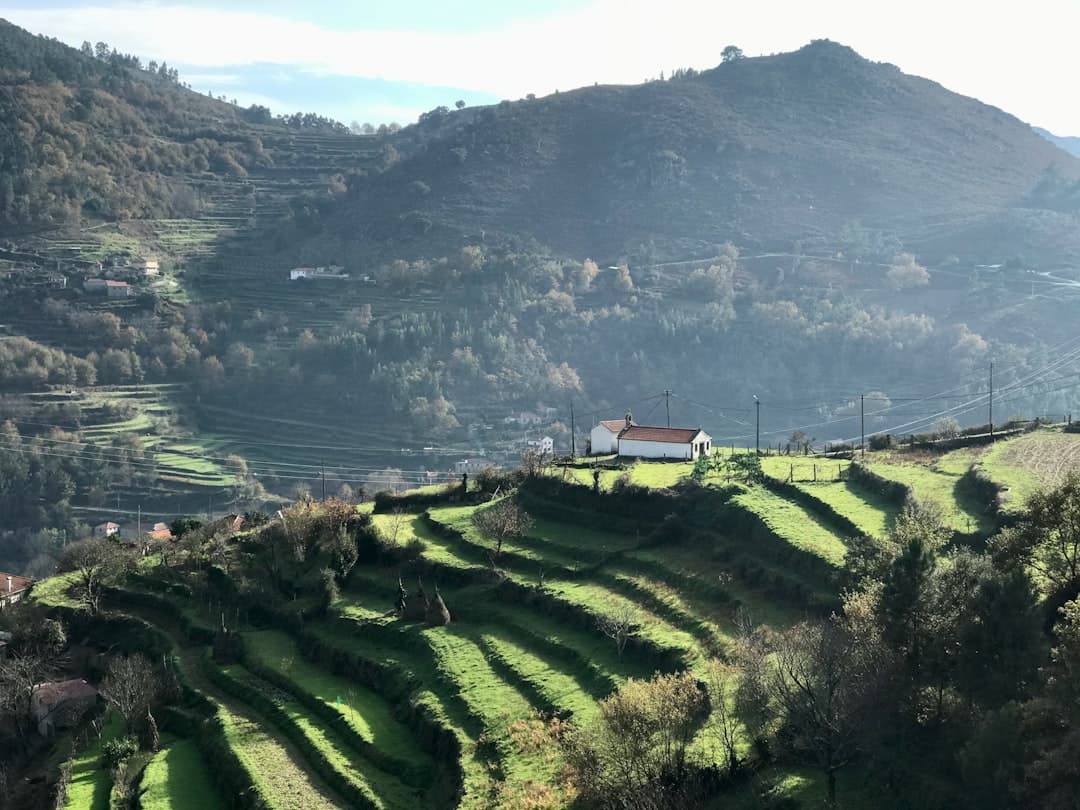
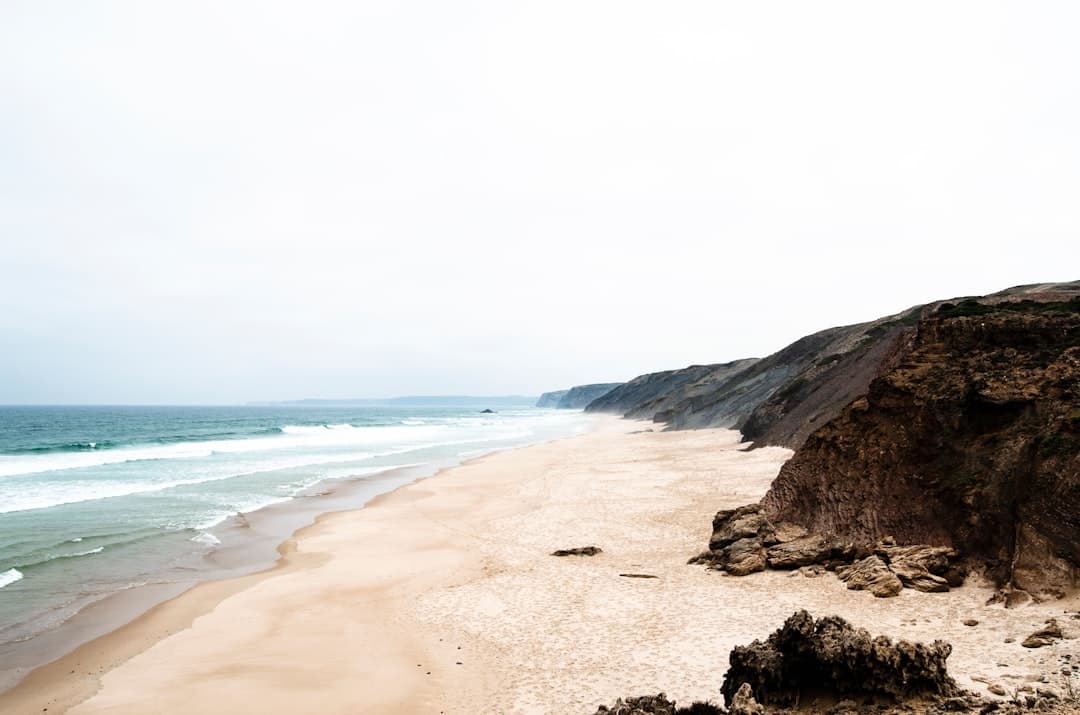
Expansive sandy beach backed by high sand dunes, near wild coastal hinterland and small village.
Praia da Bordeira is one of the Algarve's most remote and undeveloped beaches, located on the southwestern coast near Carrapateira. Access is via a long sandy track through dunes and low vegetation, and once you arrive, you understand why the place has remained so isolated: the beach is massive, relatively empty, and backed by high cliffs and protected dunes.
The beach faces southwest, directly into Atlantic swells. The sand is fine and pale, the water is cool, and the waves can be substantial. It's a beach for people seeking solitude, space, and a sense of remoteness rather than facilities or crowds.
The dunes behind the beach are protected—they're part of the Southwest Alentejo and Vicentine Coast Natural Park, one of Europe's last remaining wild coastlines. The vegetation is sparse, adapted to salt spray and sandy conditions: low shrubs, grasses, wildflowers. The dune ecosystem supports rare plants and specialized insects.
The Fisherman's Trail runs nearby (not directly along this stretch, but accessible via side routes). The trail provides context for understanding the landscape: this is a coast that has remained difficult to develop, where fishing and agriculture have persisted because roads and infrastructure have been limited.
Praia da Bordeira represents the wilder, less-developed edge of the Algarve. There are no restaurants, shops, or tourist facilities at the beach itself—the nearest amenities are several kilometers away in Carrapateira. The beach rewards those seeking landscape and solitude over convenience. It's a place to walk, to sit, to understand what the Algarve coast looks like when human presence is minimal.
Getting Here
Weather & When to Visit
Warm and pleasant with fewer crowds. Sea temperature remains inviting.
Sunshine
300+ days/year
Sea Temp
17–23°C
Tips for Autumn
- Great time for cultural experiences
- Wine harvest season — visit local vineyards
- Sea is still warm enough for swimming
Best for this season
Best time to visit
April–June and September–October offer the best balance of pleasant weather, fewer crowds, and good prices.
Things to Do in Praia da Bordeira
Discover experiences, routes, and events

Surf School in Albufeira
Albufeira has beach with great conditions for the practice and learning of Surf. Our classes are adjusted according to the level of the students, where you can choose a private or group class.

Benagil Caves trips
On this trip you will enjoy many fantastic caves including the beautiful and world famous Benagil cave. You will see the amazing coastline of the Algarve and its amazing beaches. You will get the...

Private Benagil Caves Tour - the BEST way to visit the caves!!
The Private Boat Tour is the best way to visit the caves as it combines comfort, privacy, versatility and lots of fun! The boat and staff will be at your service to ensure you have everything you...

Benagil Long Boat tour (From Carvoeiro to Praia da Marinha)
Comfortable small fiberglass boats, visiting the interior of the most beautiful Benagil Seacaves, rockformations and deserted beaches located in Carvoeiro. Warmly welcomed by charming box office...
What's Nearby
Discover more within 10km
Benagil Long Boat tour (From Carvoeiro to Praia da Marinha)
Comfortable small fiberglass boats, visiting the interior of the most beautiful Benagil Seacaves, rockformations and deserted beaches located in Carvoeiro. Warmly welcomed by charming box office...
Benagil Caves trips
On this trip you will enjoy many fantastic caves including the beautiful and world famous Benagil cave. You will see the amazing coastline of the Algarve and its amazing beaches. You will get the...
Surf School in Albufeira
Albufeira has beach with great conditions for the practice and learning of Surf. Our classes are adjusted according to the level of the students, where you can choose a private or group class.
Private Benagil Caves Tour - the BEST way to visit the caves!!
The Private Boat Tour is the best way to visit the caves as it combines comfort, privacy, versatility and lots of fun! The boat and staff will be at your service to ensure you have everything you...

More Places to Discover
Discover more of the Algarve
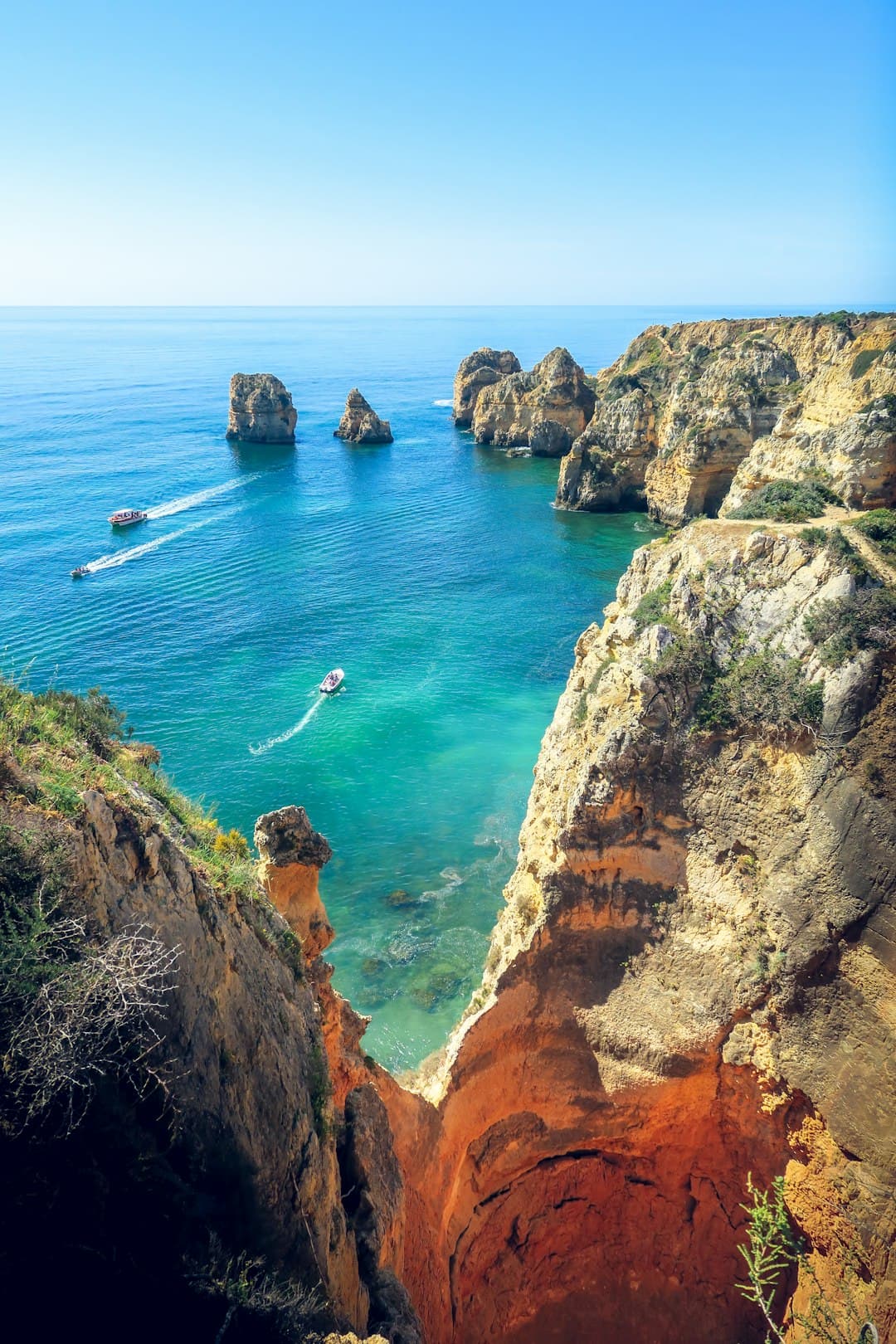
Vila do Bispo
The last town before the end of Europe — a working crossroads settlement in the far southwest, surrounded by the densest concentration of megalithic monuments on the Iberian Peninsula, and the final staging post on the Via Algarviana.