About This Place
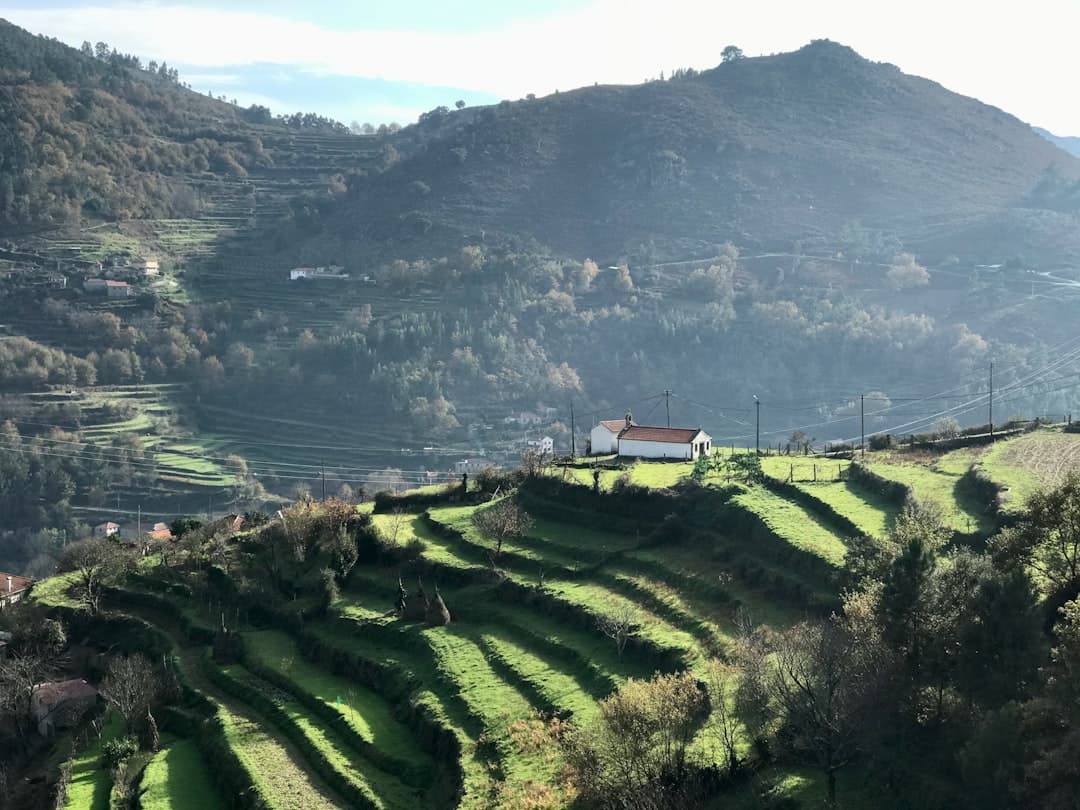
A crossroads hamlet on the EN 2 at the crest of the Serra do Caldeirão, where the Via Algarviana's hardest sector ends and the trail begins its long descent towards the barrocal.
Barranco do Velho is less a village than a junction. It sits at around 500 m on the ridge of the Serra do Caldeirão, at the point where the EN 2 — the road that runs the length of Portugal from Chaves to Faro — meets the road west to Salir and Loulé. There are a few houses, a couple of restaurants that do a serious trade in grilled meat and javali (wild boar), and a filling station. That is roughly the whole of it.
What makes it worth stopping is the setting. This is the heart of cork oak country: whole hillsides of Quercus suber, trunks stripped to a deep red-brown on a nine-year cycle, the harvest year painted on the bark in white. The air smells of cistus and resin. In spring the understorey is dense with lavender, rockrose and wild orchids.
Cork is not decorative here — it is a working crop, and the stripping season in June and July is a genuine spectacle if you happen to be passing. Guided cork-country tours out of Loulé are the easiest way to see the harvest and the market that depends on it.

Fonte Férrea
A couple of kilometres west, the Fonte Férrea recreation area is a shaded picnic site among pines and cork oaks, with an iron-rich spring that gives it its name. It is a standard stop for walkers and cyclists coming off the serra, and a good place to sit out the middle of a hot day.
For walkers
Barranco do Velho is the end of Sector 5 of the Via Algarviana, the hardest stage on the whole trail — 29.5 km from Cachopo, graded V, with 1,733 m of ascent. Arriving here after eight hours in the deep serra is a genuine relief, and the restaurants are a large part of why.
It is also the start of Sector 6, a much gentler 14 km to Salir with 459 m of ascent and 707 m of descent — the trail is now shedding altitude as it drops off the serra into the limestone barrocal. Water is available at both the start and end of this sector.

Getting there
Barranco do Velho is one of the easier interior stops to reach, because the EN 2 is a real road with real bus services. Vamus Algarve runs between Faro, São Brás de Alportel and the serra villages. It is also a popular stop on the EN 2 road trip, so expect motorhomes and motorcyclists at weekends.
Getting Here
Weather & When to Visit
Warm and pleasant with fewer crowds. Sea temperature remains inviting.
Sunshine
300+ days/year
Sea Temp
17–23°C
Tips for Autumn
- Great time for cultural experiences
- Wine harvest season — visit local vineyards
- Sea is still warm enough for swimming
Best for this season
Best time to visit
April–June and September–October offer the best balance of pleasant weather, fewer crowds, and good prices.
Things to Do in Barranco do Velho
Discover Activities Across the Region
While we're adding more activities for Barranco do Velho, explore guided tours, coastal hikes, and unique experiences throughout the Algarve.
What's Nearby
Discover more within 10km
Rocha da Pena
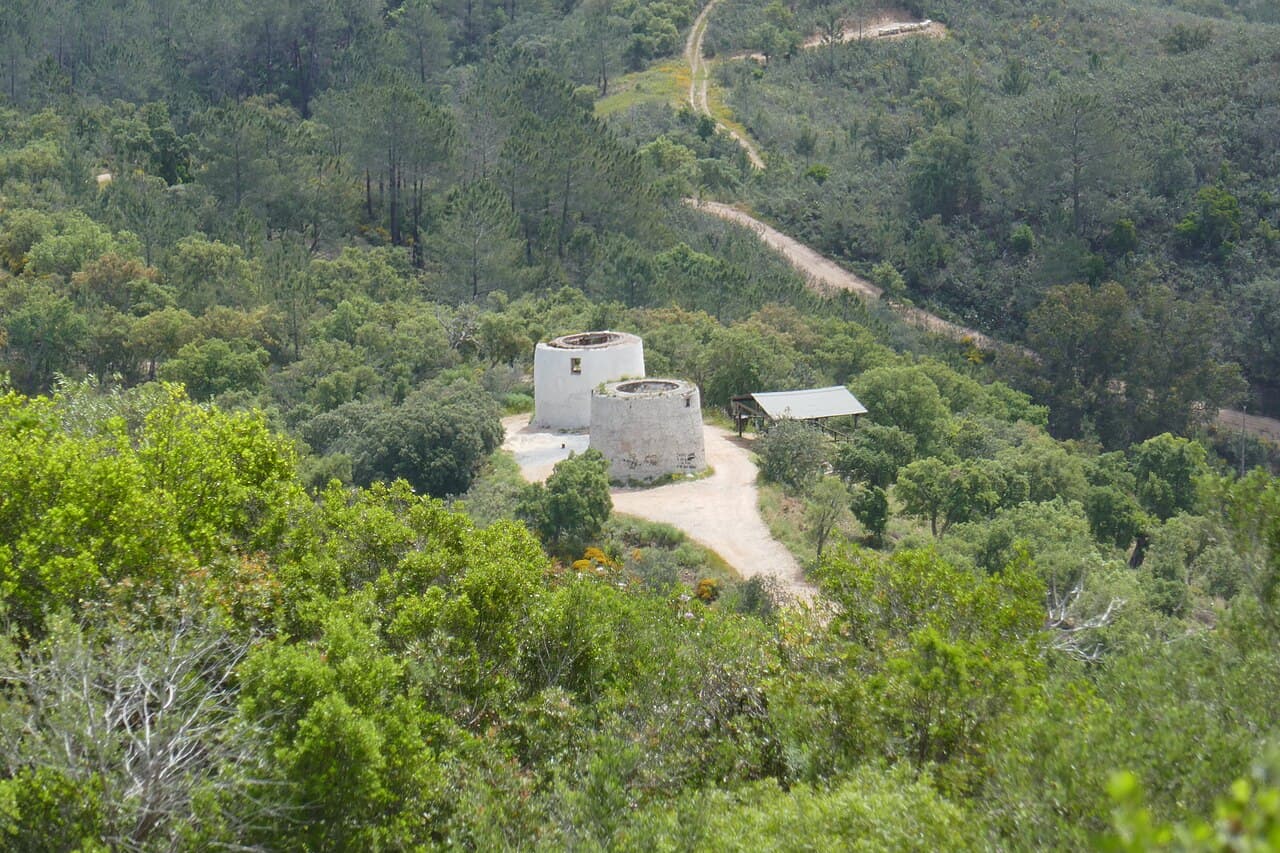
A 479m limestone plateau rising out of the Algarve's interior, with a 4.8 km loop trail past wildflower meadows, vultures overhead, and 360° views. One of the best short hikes in the Algarve.
More Places to Discover
Discover more of the Algarve
Vila do Bispo
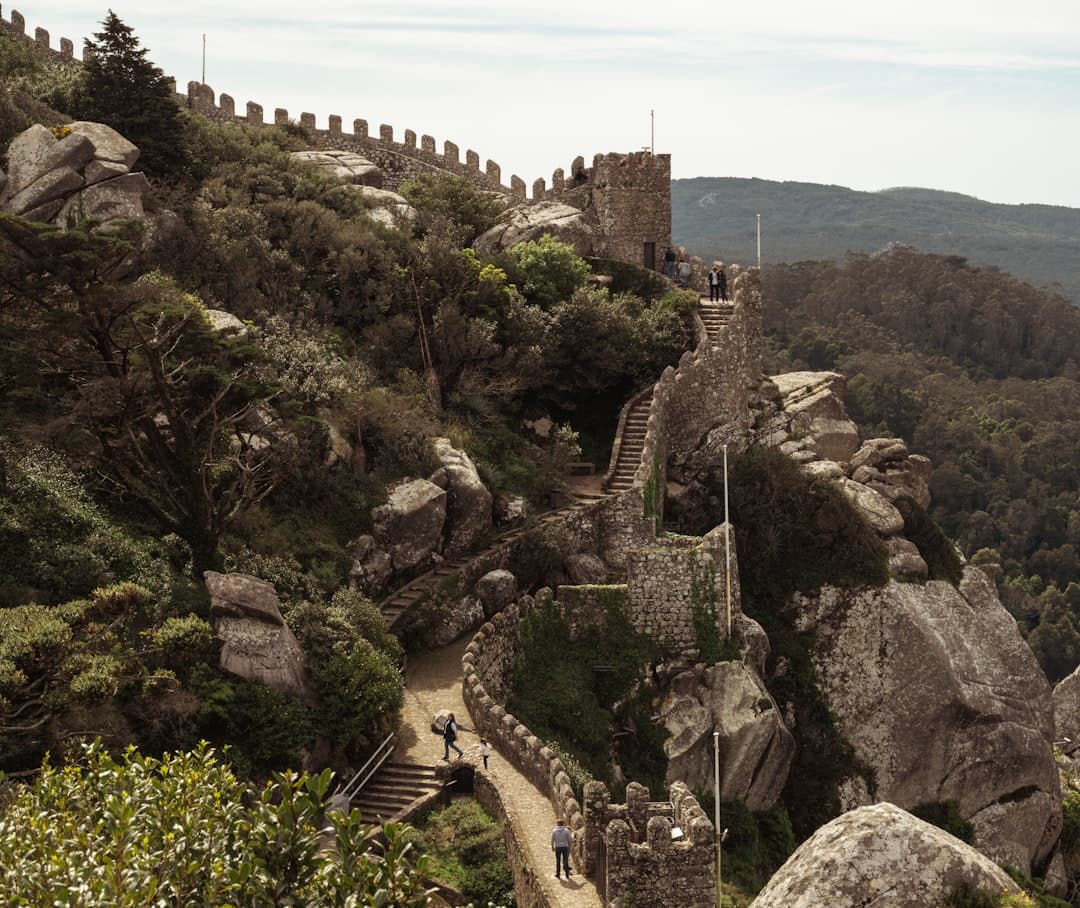
The last town before the end of Europe — a working crossroads settlement in the far southwest, surrounded by the densest concentration of megalithic monuments on the Iberian Peninsula, and the final staging post on the Via Algarviana.