About This Place
Vast lagoon ecosystem with barrier islands, salt marshes, and diverse wildlife; accessible by boardwalks and boat tours.
Ria Formosa Natural Park is Portugal's largest protected coastal wetland, stretching about 60km along the eastern Algarve coast. It's not a single beach or village, but rather an ecological system: a complex of barrier islands, salt marshes, tidal flats, and shallow lagoons that form one of Europe's most important bird sanctuaries.
The park protects a fragile ecosystem shaped by tidal action, salt concentrations, and ecological specialization. The vegetation is sparse and adapted to harsh conditions: salt-resistant plants, specialized grasses, rare wildflowers. The fauna includes thousands of bird species, particularly migratory waders that use the Ria Formosa as a crucial stopover point during seasonal migration.
The Ria Formosa is accessible to visitors primarily through boat tours and guided kayak expeditions departing from nearby towns (Tavira, Olhão, and others). The tours take visitors into the lagoon to observe birds, explore barrier islands, and understand the ecological systems. Some tours visit beaches on the barrier islands (Armona, Culatra) that are not accessible except by boat.
The park is not an attraction in the conventional sense—there are no entrance gates, no visitor centers, no infrastructure within the park itself. Rather, it's a protected area that remains largely wild, with human presence carefully managed to prevent ecological damage.
Understanding Ria Formosa requires time and attention. It's best experienced through guided tours and kayak expeditions, or by spending time in a nearby town that overlooks the system (Tavira offers excellent viewpoints). The park represents a different kind of Algarve experience: not dominated by resorts or developed beaches, but by natural ecological systems that have shaped the coast for millennia.
Getting Here
Weather & When to Visit
Warm and pleasant with fewer crowds. Sea temperature remains inviting.
Sunshine
300+ days/year
Sea Temp
17–23°C
Tips for Autumn
- Great time for cultural experiences
- Wine harvest season — visit local vineyards
- Sea is still warm enough for swimming
Best for this season
Best time to visit
April–June and September–October offer the best balance of pleasant weather, fewer crowds, and good prices.
Things to Do in Ria Formosa Natural Park
Discover experiences, routes, and events
Tour in Paradise: Ria Formosa
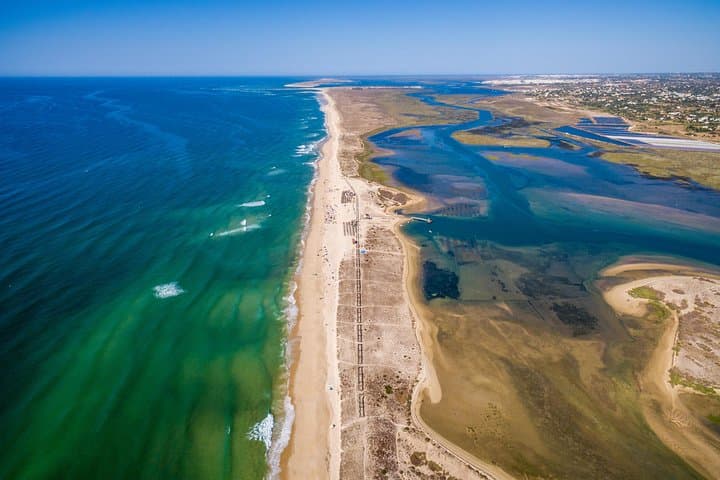
Explore the charming traditional market of Olhão with its variety of fresh fish and seafood! Discover the Ria Formosa Natural Park on a boat trip around the islands. Discover its fauna, flora,...
Ria Formosa Natural Park Birdwatching Segway Tour from Faro
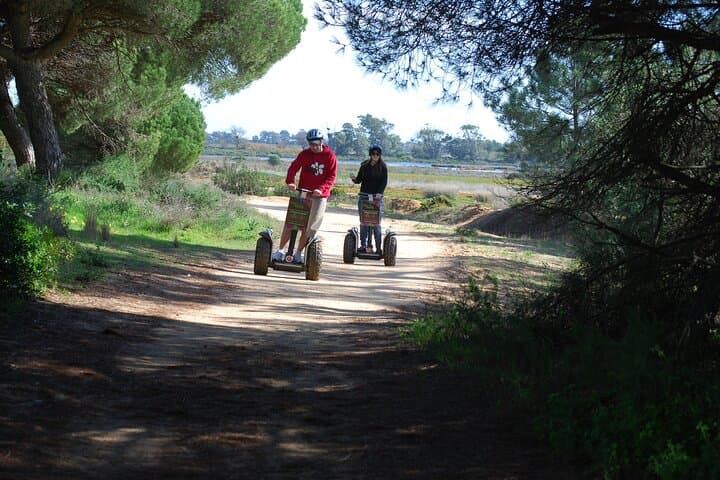
Get close to nature during a 1.5-hour bird-watching tour from Faro by Segway. Travel around the Ria Formosa Natural Park in the Algarve with a knowledgeable guide. See scenic landscapes including...

What's Nearby
Discover more within 10km
Ria Formosa Natural Park Birdwatching Segway Tour from Faro
Get close to nature during a 1.5-hour bird-watching tour from Faro by Segway. Travel around the Ria Formosa Natural Park in the Algarve with a knowledgeable guide. See scenic landscapes including...
Tour in Paradise: Ria Formosa
Explore the charming traditional market of Olhão with its variety of fresh fish and seafood! Discover the Ria Formosa Natural Park on a boat trip around the islands. Discover its fauna, flora,...
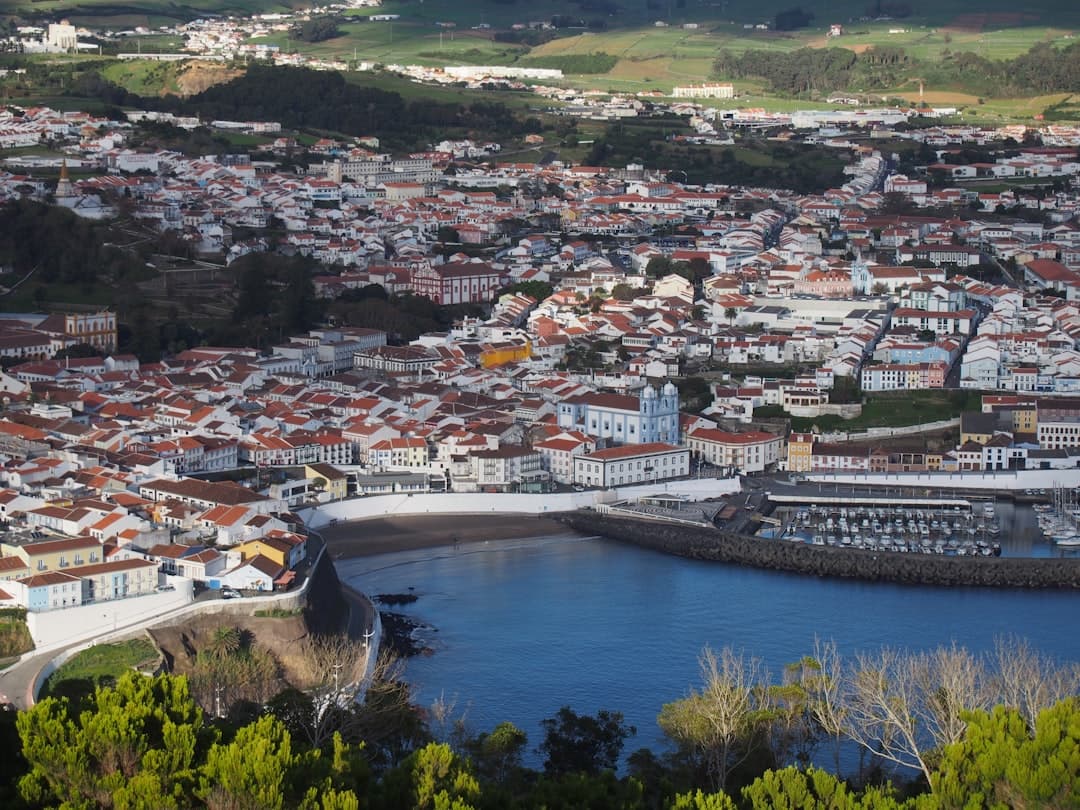
Olhão
Eastern Algarve fishing town with distinctive North African cubic architecture and the best fish market. Gateway to Ria Formosa barrier islands and salt marshes.
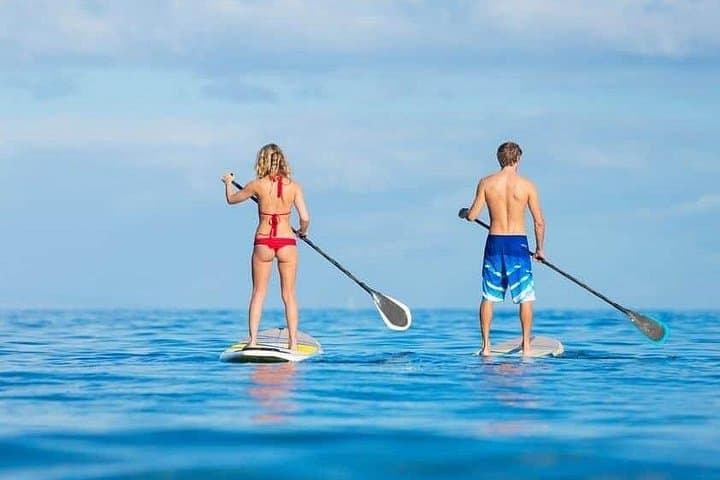
Ocean Sup and kayak tours
By practicing stand up paddle or kayak, you can experience a unique trip on one of the most beautiful beaches in Portugal. The João de Arens area, where you can see incredible caves and rocky areas,...
More Places to Discover
Discover more of the Algarve
Vila do Bispo
The last town before the end of Europe — a working crossroads settlement in the far southwest, surrounded by the densest concentration of megalithic monuments on the Iberian Peninsula, and the final staging post on the Via Algarviana.