About This Place
The Algarve's underrated capital — a layered city of Roman walls, Moorish arches, bone chapels, and the gateway to the vast Ria Formosa lagoon system.
Faro — The Algarve's Secret Capital
Most visitors land at Faro airport and immediately head west to Lagos or Albufeira. That's a mistake. Faro is the most historically layered city in the Algarve, with 2,000 years of occupation stacked into a walkable old town — and some of the region's best outdoor access sitting right on its doorstep.
A City Built on Layers
Faro's story starts with the Phoenicians, who established a trading post here around the 4th century BC. The Romans followed, naming the settlement Ossonoba and building it into a significant port town — complete with a forum, defensive walls, and the lavish villa complex at nearby Milreu. When the Moors arrived in the 8th century, they held Faro for almost 500 years, reinforcing the walls and leaving their mark on the city's arches and layout. King Afonso III finally took the city in 1249, making it the last major Moorish stronghold to fall in Portugal.
Then came the earthquakes. The devastating 1755 earthquake (the same one that flattened Lisbon) destroyed much of Faro's architecture. What you see today in the Cidade Velha (Old Town) is largely an 18th-century rebuild — but the Moorish bones are still there in the walls, the gates, and the street plan.
What Most People Miss
The Bone Chapel (Capela dos Ossos)
Behind the ornate Baroque facade of the Igreja do Carmo sits one of the Algarve's most haunting spaces. The Capela dos Ossos is lined with the skulls and bones of over 1,245 Carmelite monks, meticulously arranged into geometric patterns across the walls and vaulted ceiling. Unlike chaotic ossuaries elsewhere in Europe, Faro's version is methodical — femurs form cornices and arches, skulls sit as decorative bosses at regular intervals. Above the entrance: "Stop here and consider, that you will reach this state too." Built in 1816 when the city's cemeteries hit capacity, it remains one of the most powerful memento mori sites in Portugal.
The Jewish Heritage Quarter
Tucked behind the old city walls, Faro's Jewish Cemetery is the only surviving Jewish cemetery in the entire Algarve. The adjacent Jewish Heritage Centre documents the community's deep roots in the region — a story that's largely invisible in most Algarve tourism. The first book ever printed in Portugal, an edition of the Pentateuch, was printed in Faro in 1487 by a Jewish printer named Samuel Gacon.
Roman Ruins of Milreu
Just 9km north of Faro in the village of Estoi, the ruins of Vila Romana de Milreu are a National Monument dating to the 1st–2nd century AD. The highlight is the remarkably preserved fish mosaics in the bathhouse — marine motifs that hint at how central the sea was to Roman life here. The temple on site has an extraordinary continuity of use: Roman worship, then a 6th-century Christian church, then a mosque under Moorish rule. The ruins were only rediscovered in 1877 by archaeologist Estácio da Veiga.
Palácio de Estoi
While you're in Estoi, the 19th-century Romantic palace (now a pousada) is worth a stop for its gardens alone — Moorish-inspired horseshoe arches, azulejo tile panels, and manicured grounds that feel lifted from a Sintra postcard, without any of the crowds.
Ria Formosa — Faro's Natural Treasure
Faro is the gateway to the Ria Formosa Natural Park, an 18,000-hectare coastal lagoon system stretching 60km along the Algarve coast. Classified as a Natural Park in 1987, it's one of Europe's most important wetland habitats.
The numbers are staggering: over 20,000 birds winter here annually, with regular sightings of Greater Flamingos, White Storks, and the rare Purple Swamphen (the park's official symbol). The Ria Formosa also shelters one of the largest seahorse populations in the world — a fact that prompted a dedicated conservation programme.
For the active visitor, the lagoon is best explored by kayak. Guided trips depart from Faro marina, threading through oyster beds, salt marshes, and shifting sandbanks. Early morning paddles offer the best birdwatching. The Ludo Trail, a 7km flat boardwalk route through the marshes near Faro airport, is one of the most accessible birdwatching walks in the Algarve.
Outdoor Activities
Hiking
The Ria Formosa boardwalk trails are flat and family-friendly, running 3.5km through salt marshes and lagoons where you might spot flamingos, egrets, or the elusive purple swamphen. For something more ambitious, Faro is the eastern trailhead for the coastal paths connecting through to the dramatic cliff walks further west.
Cycling
Faro sits on the Ecovia do Litoral, a 214km long-distance cycling route running along Portugal's entire southern coast. The terrain around Faro is flat with dedicated bike lanes — ideal for casual riders. Local guided bike tours take in the salt evaporation ponds (salinas) and Faro Island.
Island Hopping
From Faro marina, regular ferries run to Ilha Deserta (Desert Island) — an uninhabited barrier island with pristine white sand and crystal-clear water. It's one of the few completely undeveloped beaches in the Algarve. In summer, boats also serve Ilha de Faro, the nearest beach to the city.
Kayaking & SUP
The calm lagoon waters make Faro one of the best spots in the Algarve for kayaking and stand-up paddleboarding. Most guided trips last 2–3 hours and focus on the channels between the barrier islands.
The Cathedral Tower View
Climb the bell tower of Sé Catedral de Faro (originally 13th century, rebuilt after the 1755 earthquake) for what is arguably the best free viewpoint in the city — the rooftops of the Cidade Velha, the intricate waterways of the Ria Formosa, and on clear days, the Atlantic stretching to the horizon.
Practical Notes
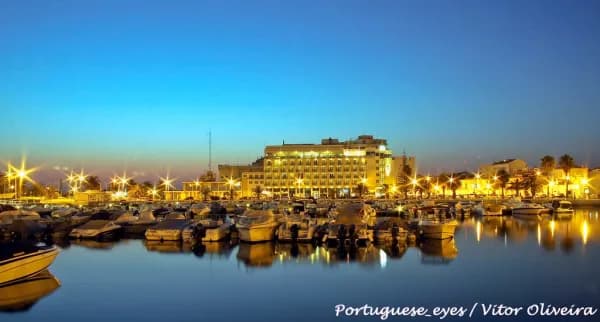
Faro is the Algarve's transport hub — international airport, train station, and bus terminal all within easy reach of the old town. The marina is the main departure point for Ria Formosa boat tours and island ferries. Most of the old town is walkable in an hour, but the surrounding natural areas reward a full day or more.
Getting Here
Weather & When to Visit
Warm and pleasant with fewer crowds. Sea temperature remains inviting.
Sunshine
300+ days/year
Sea Temp
17–23°C
Tips for Autumn
- Great time for cultural experiences
- Wine harvest season — visit local vineyards
- Sea is still warm enough for swimming
Best for this season
Best time to visit
April–June and September–October offer the best balance of pleasant weather, fewer crowds, and good prices.
Things to Do in Faro
Discover experiences, routes, and events
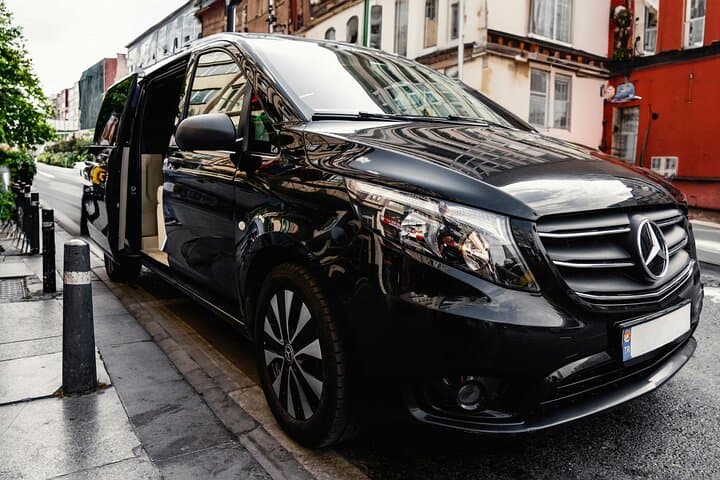
Faro Airport Premium Private Transfer
Enjoy a stress-free private transfer from Faro Airport to Lagos and destinations across the Algarve. Professional meet & greet, flight monitoring included, and comfortable executive vehicles.
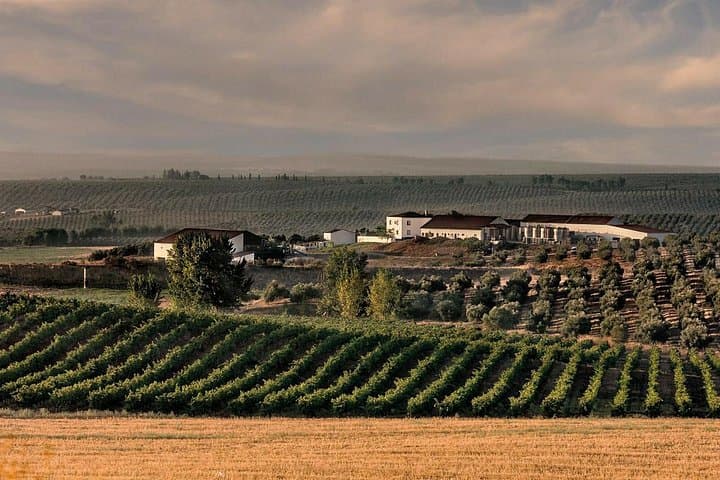
Alentejo Wine Tour from the Algarve
The Alentejo, already considered the best wine region in the world to visit by the readers of USA Today and often referred and recommended in expertized publications, is an inevitable destination in...

Private Transfer from Hotel da Rocha to Faro (FAO) Airport
Take the worry out of your departure to the Faro (FAO) Airport and pre-book a private transfer to suit your group size. Avoid the long lines for taxis at the hotel, and travel in the comfort of a...
Private Transfer from Algoz to Faro (FAO) Airport
Take the worry out of your departure to the Faro (FAO) Airport and pre-book a private transfer to suit your group size. Avoid the long lines for taxis at the hotel, and travel in the comfort of a...
Private Transfer from Praia dos Salgados to Faro (FAO) Airport
Take the worry out of your departure to the Faro (FAO) Airport and pre-book a private transfer to suit your group size. Avoid the long lines for taxis at the hotel, and travel in the comfort of a...
What's Nearby
Discover more within 10km
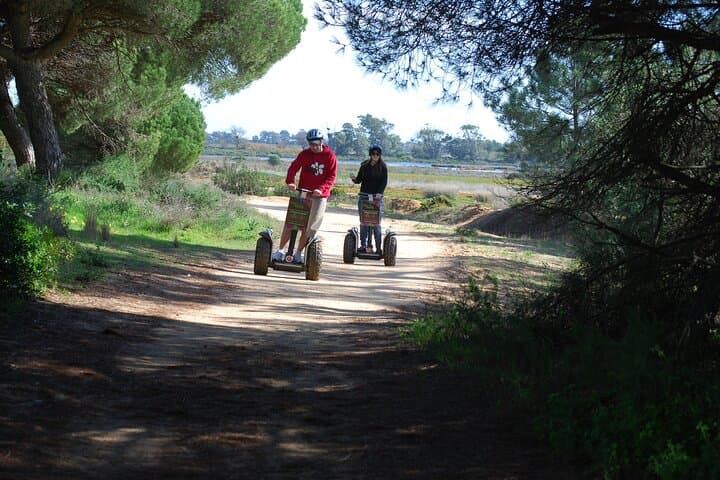
Ria Formosa Natural Park Birdwatching Segway Tour from Faro
Get close to nature during a 1.5-hour bird-watching tour from Faro by Segway. Travel around the Ria Formosa Natural Park in the Algarve with a knowledgeable guide. See scenic landscapes including...
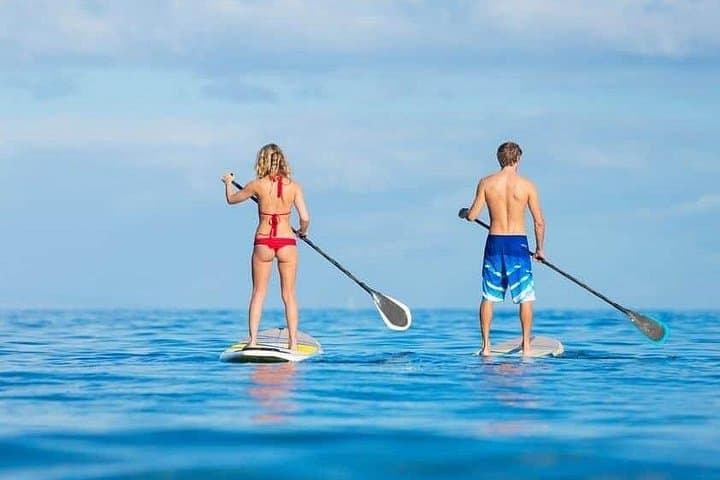
Ocean Sup and kayak tours
By practicing stand up paddle or kayak, you can experience a unique trip on one of the most beautiful beaches in Portugal. The João de Arens area, where you can see incredible caves and rocky areas,...

Private Transfer from Alvor to Faro Airport (1-4 pax)
Are you planning to travel from Alvor and looking for a private transfer to Faro Airport?
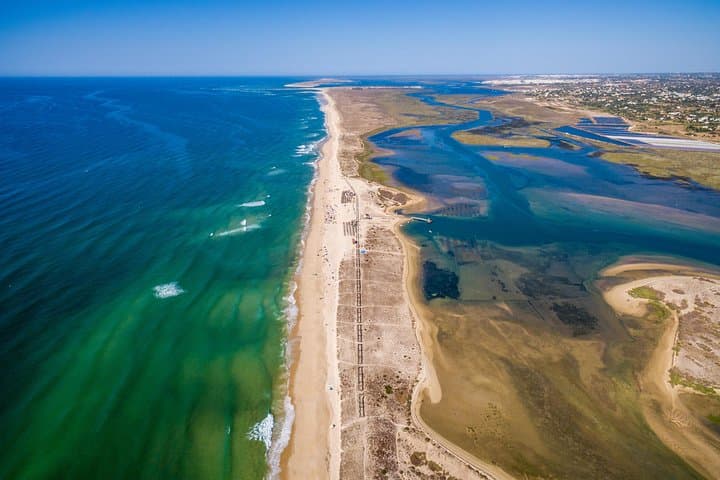
Tour in Paradise: Ria Formosa
Explore the charming traditional market of Olhão with its variety of fresh fish and seafood! Discover the Ria Formosa Natural Park on a boat trip around the islands. Discover its fauna, flora,...

Algarve
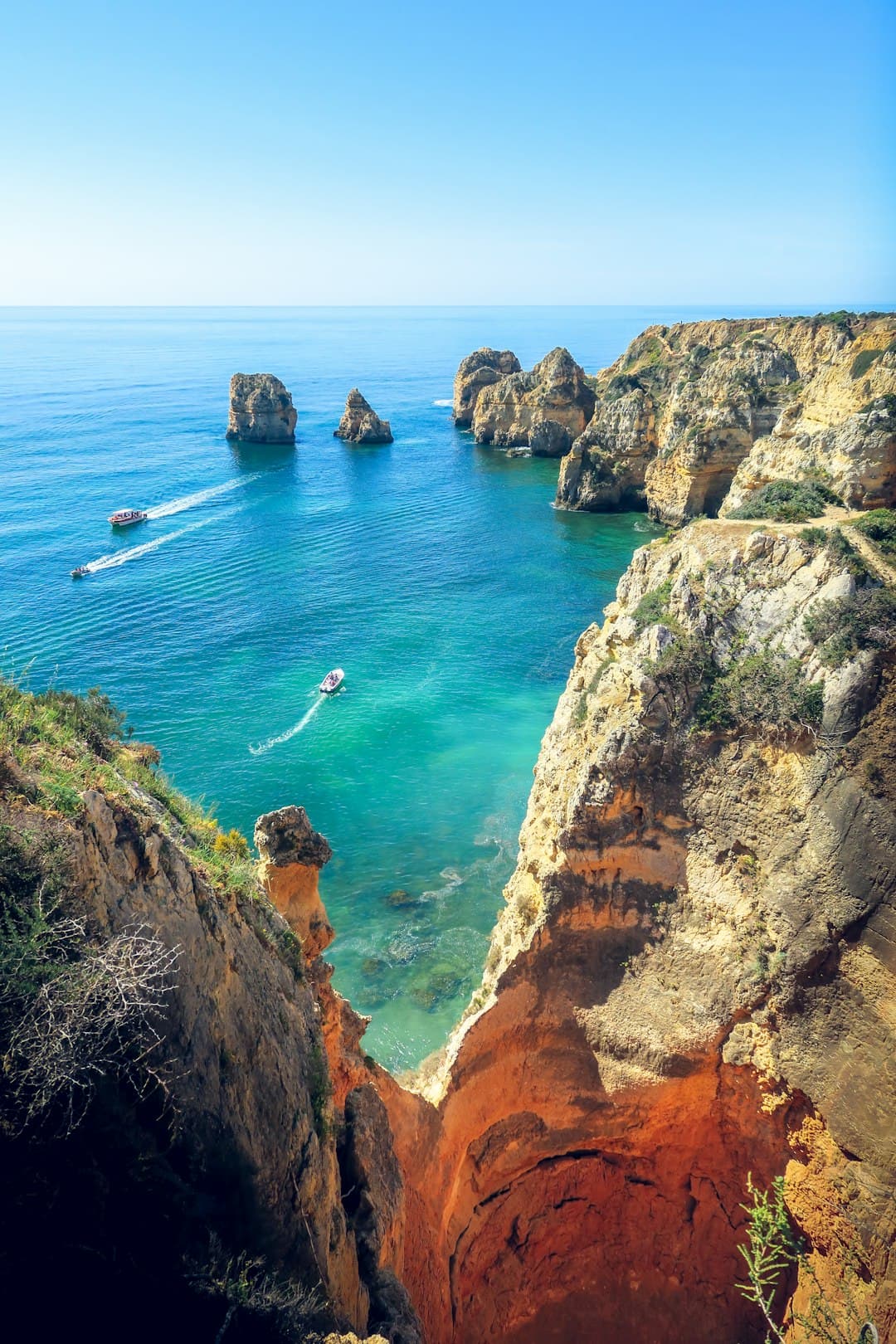
Portugal's sun-drenched southern coast — over 100 beaches, dramatic limestone cliffs, world-class surf, and 300+ days of sunshine a year. The ultimate destination for outdoor adventure in Europe.
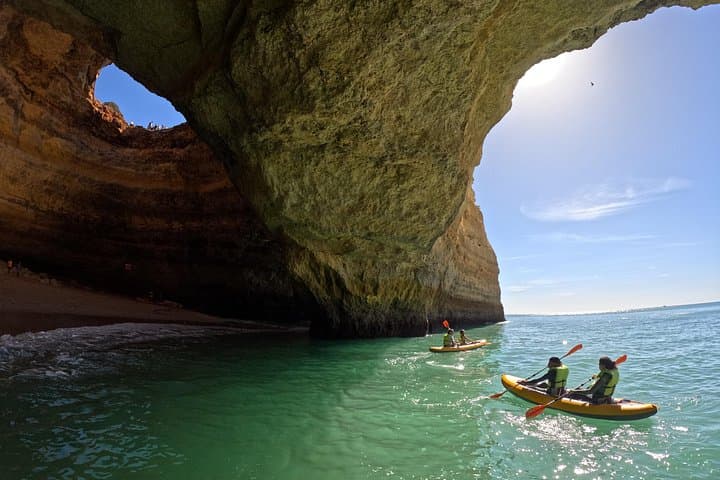
Private Kayak Tour to the Benagil Caves with 4K Photos
If you want to enjoy a private and more intimate experience this is your best choice. This tour is made for those who would like to go along with a guide and have a more personalized adventure in...
More Places to Discover
Discover more of the Algarve
Vila do Bispo
The last town before the end of Europe — a working crossroads settlement in the far southwest, surrounded by the densest concentration of megalithic monuments on the Iberian Peninsula, and the final staging post on the Via Algarviana.