About This Place
Eastern Algarve fishing town with distinctive North African cubic architecture and the best fish market. Gateway to Ria Formosa barrier islands and salt marshes.
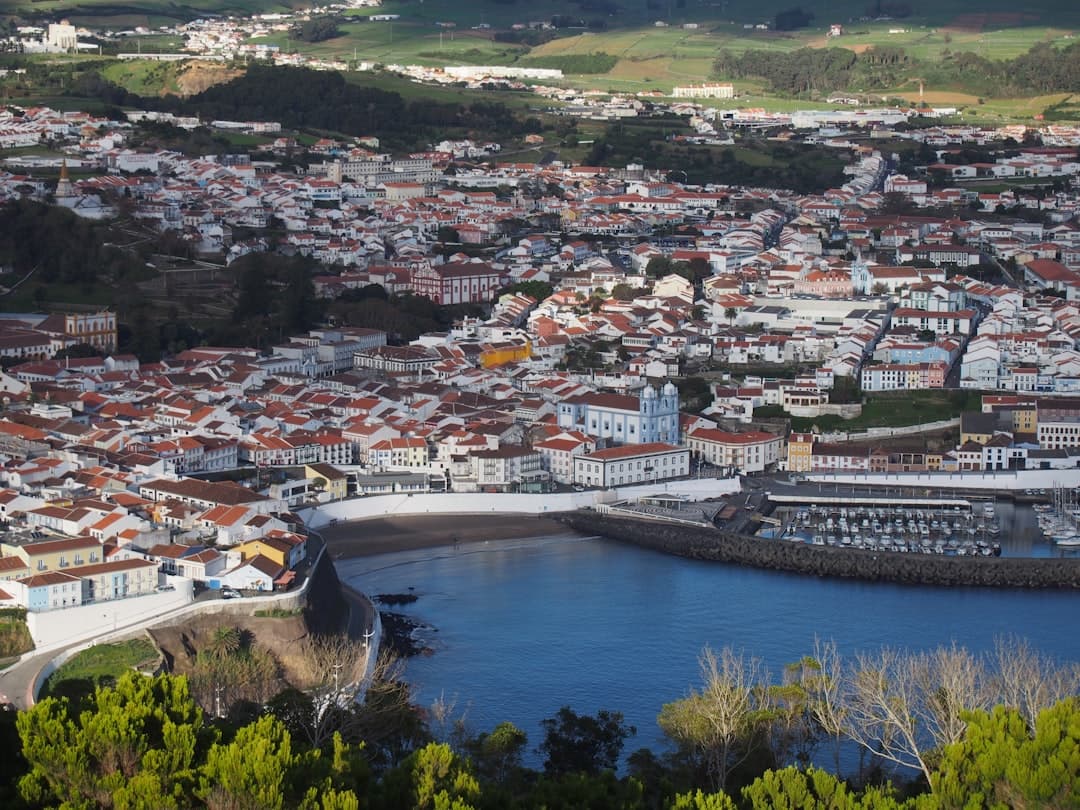
Olhão is unlike any other Algarve town. Its architecture is distinctly North African—whitewashed cubic buildings stacked closely together, flat roofs, and an entirely different aesthetic from the Moorish and Portuguese styles found elsewhere. The town developed as a fishing port, and it remains one, with one of the region's most important fish markets. The Ria Formosa lagoon sits immediately behind the town, making it the gateway to the barrier islands and salt marshes that make up Portugal's most important coastal ecosystem.
The fish market (Mercado de Peixe) is the heart of Olhão. Located on the waterfront, it's a working market where fishing boats unload daily catches. The market is most active in the morning, particularly early. Fish is sold directly from boats and at the market hall—incredibly fresh and reasonably priced. Many local restaurants buy their fish here daily. The market is worth visiting even if you don't cook.
The waterfront promenade is pleasant for a walk, with low-key restaurants and bars overlooking the lagoon. The market area itself is busiest early morning, but the atmosphere is authentically Portuguese: workers in rubber boots, sellers calling out prices, the smell of fish and salt.
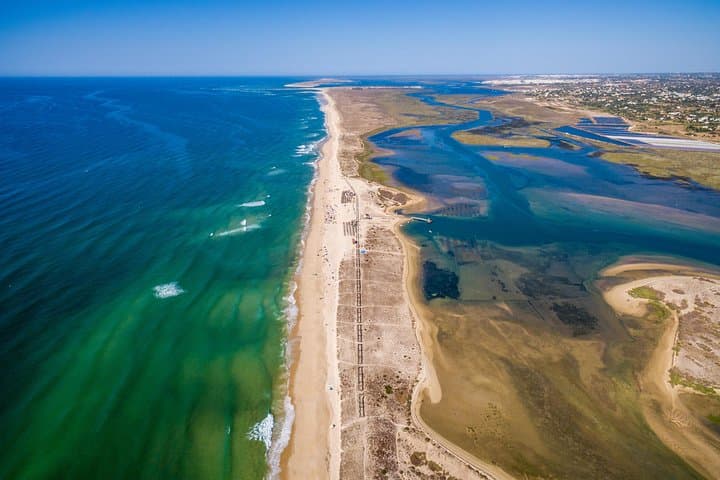
The Ria Formosa Natural Park sits immediately behind the town. Boat tours depart regularly from the waterfront to the barrier islands—particularly Ilha de Armona and Ilha da Culatra. These islands have long, uncrowded beaches on the Atlantic side and calm lagoon swimming on the inside. Many visitors spend a day island-hopping.
The town itself is walkable but unpolished. There are small museums, a church, and a couple of viewpoints, but Olhão is mainly a working town. The alleys are narrow and sometimes confusing, but exploring them gives a real sense of place.
Getting There
Olhão is 35km east of Faro on the EN125. The town centre is flat and compact, easily walkable. Parking is available near the waterfront. Buses connect frequently to Faro and surrounding towns. Faro airport is 35km west.
When to Visit
The market is most active September–May, during fishing season. Summer is quieter at the market but the beaches and islands are busier. May–June and September–October offer good weather with fewer tourists. Winter is quiet but the market remains active.
Tips
- Arrive early morning (8–9am) to see the market at its best
- The fish market is authentic and real—not a tourist attraction
- Eat lunch at a simple waterfront restaurant and try the daily catch
- Boat tours to the Ria Formosa islands are excellent value and should be booked at the waterfront
- The town's cubic architecture is distinctive; take time to photograph the buildings
Getting Here
Weather & When to Visit
Warm and pleasant with fewer crowds. Sea temperature remains inviting.
Sunshine
300+ days/year
Sea Temp
17–23°C
Tips for Autumn
- Great time for cultural experiences
- Wine harvest season — visit local vineyards
- Sea is still warm enough for swimming
Best for this season
Best time to visit
April–June and September–October offer the best balance of pleasant weather, fewer crowds, and good prices.
Things to Do in Olhão
Discover experiences, routes, and events

Ocean Sup and kayak tours
By practicing stand up paddle or kayak, you can experience a unique trip on one of the most beautiful beaches in Portugal. The João de Arens area, where you can see incredible caves and rocky areas,...
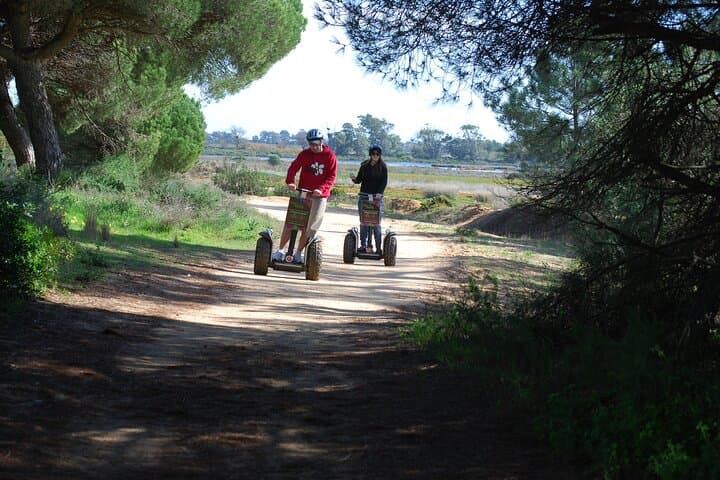
Ria Formosa Natural Park Birdwatching Segway Tour from Faro
Get close to nature during a 1.5-hour bird-watching tour from Faro by Segway. Travel around the Ria Formosa Natural Park in the Algarve with a knowledgeable guide. See scenic landscapes including...
What's Nearby
Discover more within 10km
Ria Formosa Natural Park Birdwatching Segway Tour from Faro
Get close to nature during a 1.5-hour bird-watching tour from Faro by Segway. Travel around the Ria Formosa Natural Park in the Algarve with a knowledgeable guide. See scenic landscapes including...
Ocean Sup and kayak tours
By practicing stand up paddle or kayak, you can experience a unique trip on one of the most beautiful beaches in Portugal. The João de Arens area, where you can see incredible caves and rocky areas,...
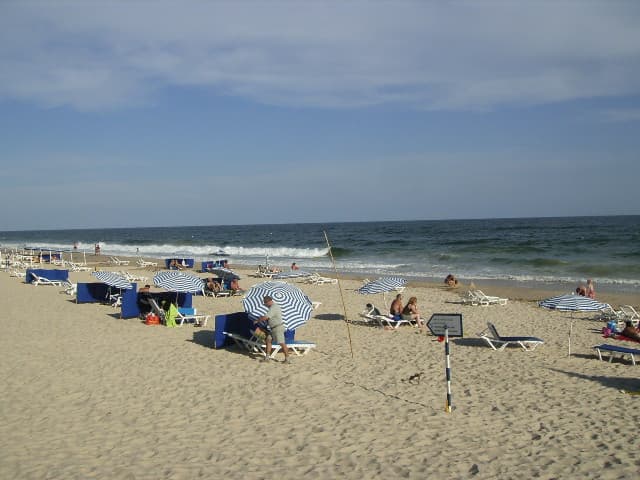
Praia do Barril
Remote beach accessible only by footbridge or boat, offering isolation and natural sand dunes backed by Ria Formosa lagoon.
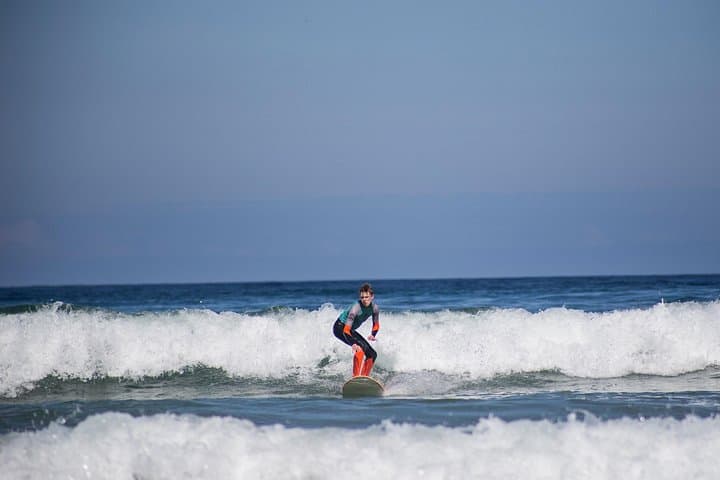
2-Hour Surf Lesson in Alentejo
These lessons promise a lot of fun and are aimed not only at students who want to venture in a surf lesson for the first time but also for those who are already familiar with the sport, since the...
More Places to Discover
Discover more of the Algarve
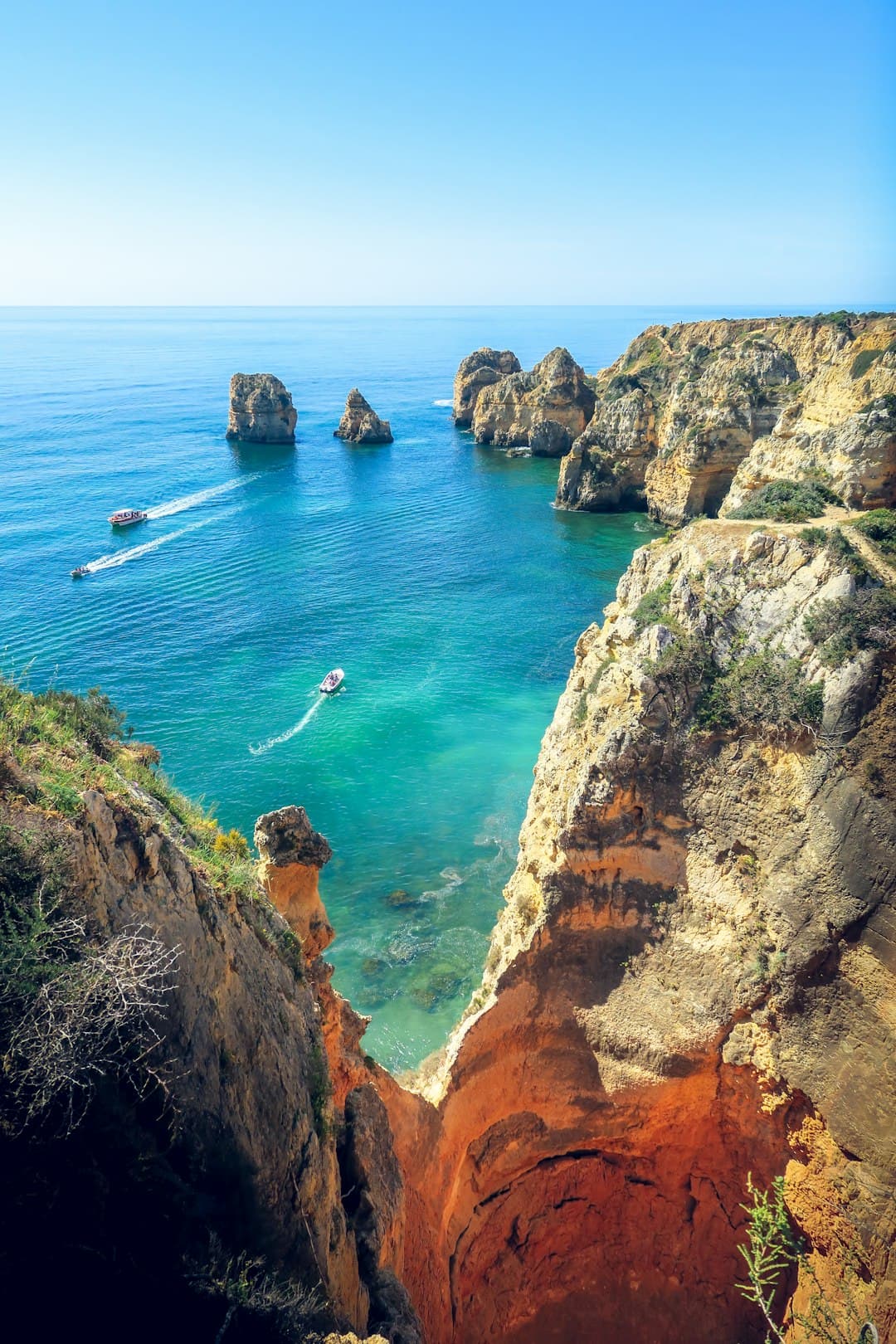
Vila do Bispo
The last town before the end of Europe — a working crossroads settlement in the far southwest, surrounded by the densest concentration of megalithic monuments on the Iberian Peninsula, and the final staging post on the Via Algarviana.