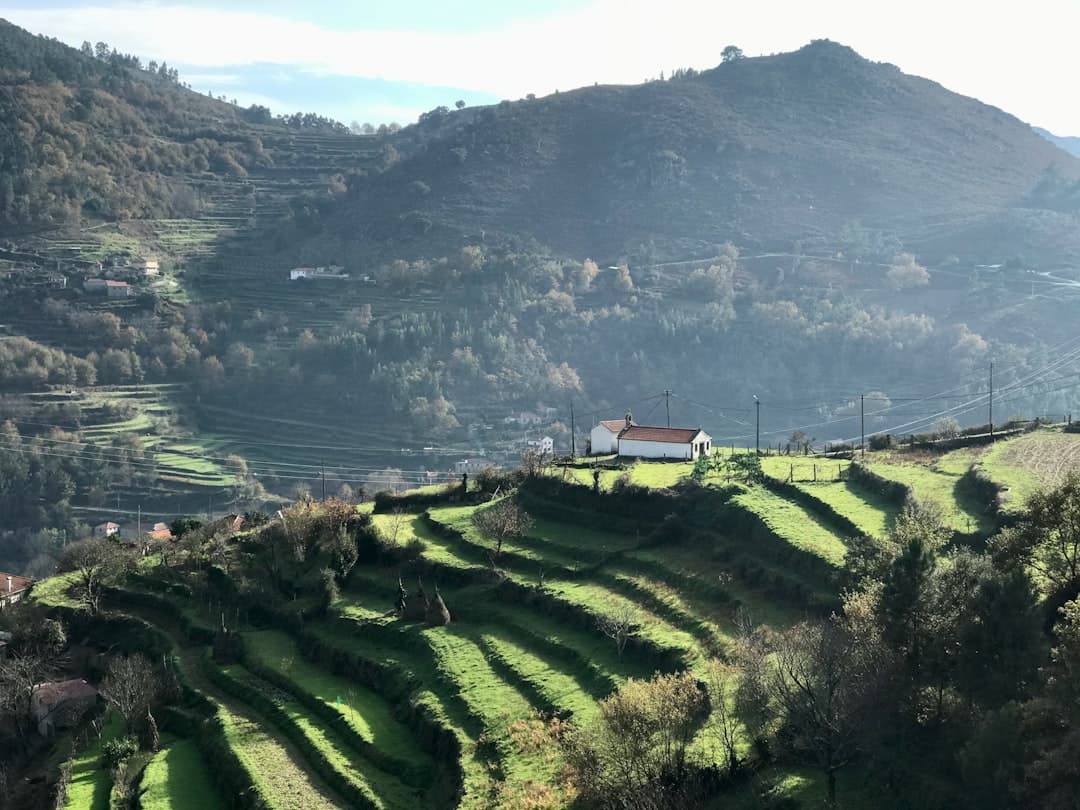
About This Place
Historic maritime town where Portugal's Age of Discovery began — dramatic sea cliffs at Ponta da Piedade, golden cove beaches, a vibrant old town, and the sobering story of Europe's first slave market.
Lagos — Where Portugal Set Sail
Lagos is one of the most compelling towns in the Algarve, combining genuine historical weight with spectacular natural scenery and a lively, walkable old town. Most visitors come for the beaches and cliffs, but the town's story runs far deeper than its coastline.
History That Matters
Lagos has been inhabited for over 2,000 years. The Phoenicians, Carthaginians, Romans (who called it Lacobriga), and Moors all left their mark. But the town's defining chapter came in the 15th century, when it became the launchpad for Portugal's Age of Discovery.
Prince Henry the Navigator based himself in Lagos and sponsored the voyages that would reshape the world map. In 1434, local explorer Gil Eanes sailed past Cape Bojador — a psychological barrier that had defeated every previous attempt — opening the route down the West African coast. Henry launched expedition after expedition from Lagos harbour, and the town became the nerve centre of Portugal's expanding maritime empire.
The town paid for this role with a dark legacy. In 1444, the first recorded sale of enslaved Africans in Europe took place on the Lagos waterfront. The Mercado de Escravos (Slave Market Museum), located on the original site, documents this history unflinchingly. Archaeological excavations nearby have uncovered the remains of enslaved people whose bodies were discarded in a medieval rubbish pit — a confronting reminder that sits alongside the town's more celebrated maritime heritage.
Lagos served as the capital of the Algarve from 1576 until the devastating 1755 earthquake and tsunami destroyed much of the town.
Ponta da Piedade
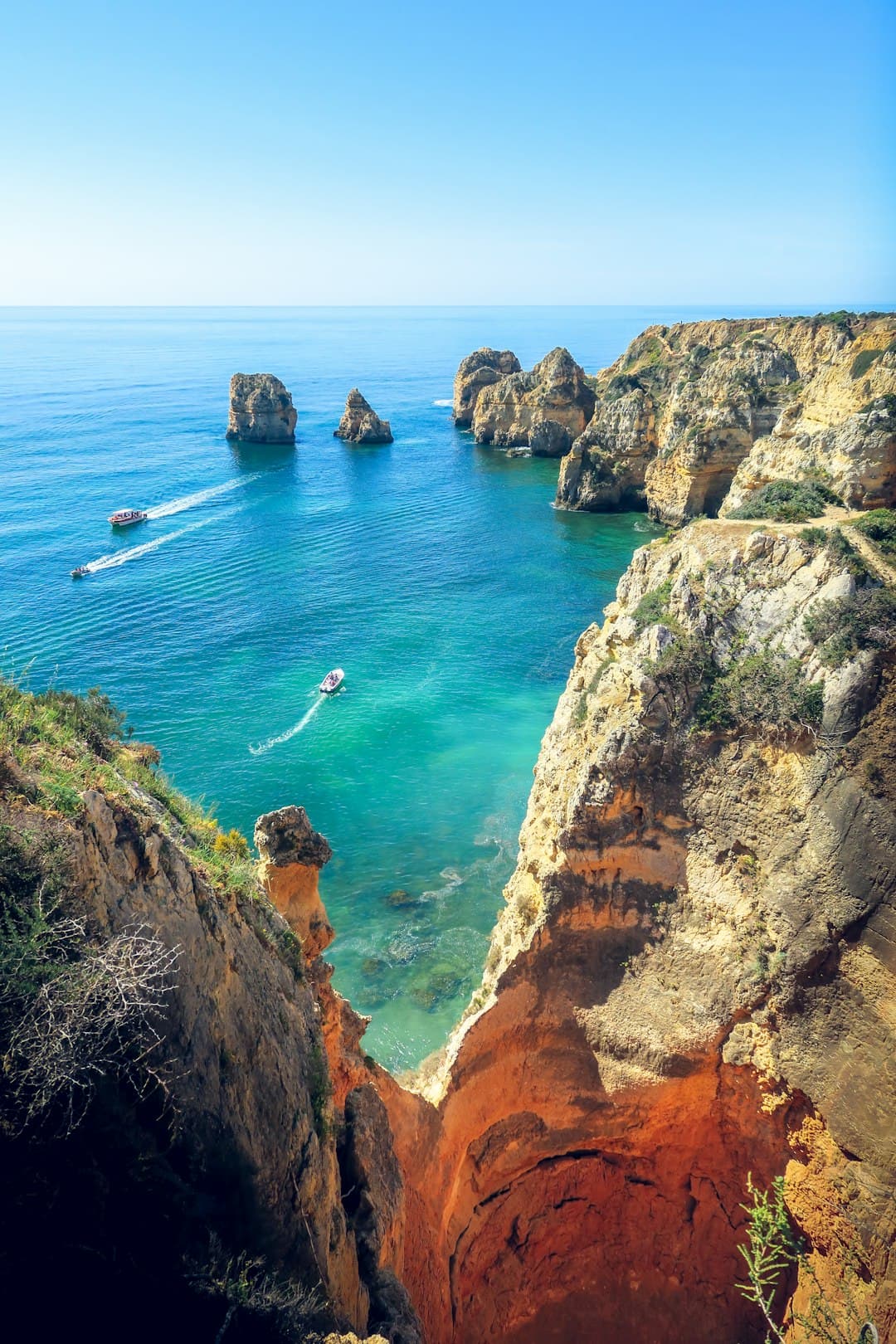
The coastline south of Lagos is among the most dramatic in Europe. Ponta da Piedade is a headland of towering golden sandstone cliffs, eroded into pillars, arches, grottoes, and hidden sea caves. The formations are best seen from the water — kayak tours and boat trips from Lagos marina weave through the sea stacks at water level, entering caves that open into cathedral-sized chambers.
From the cliff top, a long staircase descends to a small platform at sea level where you can board the boats. The walking trail along the cliff edge offers equally stunning views, especially at sunset when the sandstone glows amber and gold.
Beaches
Lagos has some of the Algarve's most beautiful cove beaches, all within walking distance of the old town.
Praia Dona Ana — arguably the most photographed beach in the Algarve, framed by sculpted sandstone pillars and sea stacks. Sheltered and calm in summer, with clear turquoise water.
Praia do Camilo — a smaller, more intimate beach reached by a steep staircase of 200 steps. Two rock arches frame the entrance, and a tunnel leads to a second hidden cove.
Meia Praia — the opposite character: a 4km sweep of open sand on the east side of town, backed by dunes. Popular with kitesurfers and windsurfers when the wind picks up.
Praia do Pinhão — a tiny cove between Dona Ana and the town centre, often overlooked and quieter for it.
Old Town
The old town centre is compact and walkable — a maze of cobblestone streets, traditional restaurants, and independent shops inside the 16th-century town walls. The Igreja de Santo António is one of the finest Baroque churches in the Algarve, with an interior so lavishly gilded it borders on overwhelming.
The town walls themselves date from the Moorish period and are well preserved, with several accessible sections offering views over the marina and harbour.
Outdoor Activities
Kayaking — Ponta da Piedade is one of the Algarve's premier kayaking spots. Guided tours run year-round, taking 1.5 to 2 hours to loop through the grottoes and caves. SUP is also popular.
Surfing — Lagos is a short drive from the west coast surf spots. Praia do Amado (35 min) and Arrifana (40 min) are both easily accessible for day trips. Several Lagos-based surf schools run daily shuttles.
Hiking — The cliff-top trails south of town connect to the broader Rota Vicentina network. The walk from Lagos to Luz (about 6km along the cliffs) is an excellent half-day route with dramatic scenery throughout.
Boat trips — Dolphin watching, coastal cave tours, and fishing trips all depart from Lagos marina. The grottos at Ponta da Piedade are the star attraction.
Practical Notes
Lagos is well connected by train (the Algarve line runs through the town) and bus. The marina area has a good concentration of restaurants and is the departure point for most boat tours and water activities. The historic centre is largely pedestrianised and best explored on foot.
Getting Here
Weather & When to Visit
Warm and pleasant with fewer crowds. Sea temperature remains inviting.
Sunshine
300+ days/year
Sea Temp
17–23°C
Tips for Autumn
- Great time for cultural experiences
- Wine harvest season — visit local vineyards
- Sea is still warm enough for swimming
Best for this season
Best time to visit
April–June and September–October offer the best balance of pleasant weather, fewer crowds, and good prices.
Nearby Places
OdeceixeThings to Do in Lagos
Discover experiences, routes, and events
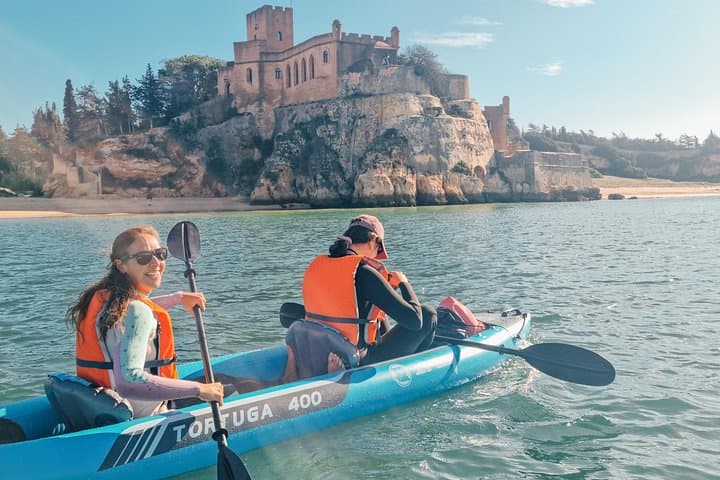
Kayak & Stand Up Paddle in Ferragudo | SELF-GUIDED
This experience gives you the freedom to explore Ferragudo from the water, without joining a guided group.
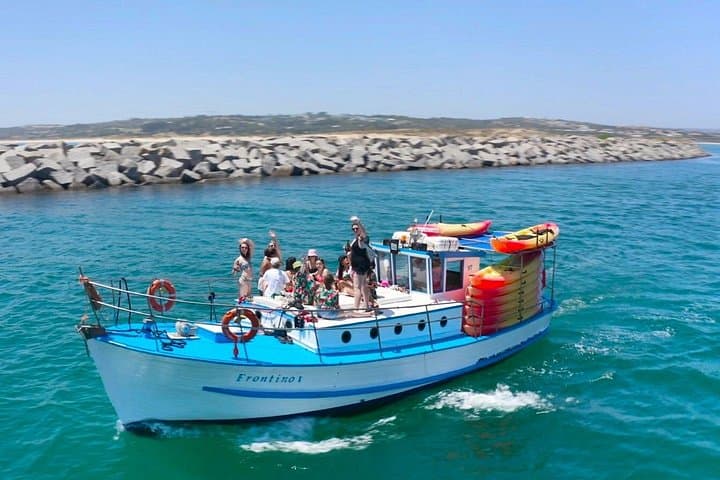
Explore Secret Caves and Beaches of Alvor - Boat & Kayak Tour
Discover the hidden wonders of the Algarve on our boat and kayak tour! Explore secluded beaches, uncover secret caves, and immerse yourself in untouched nature between Alvor and Praia do Vau. Our...
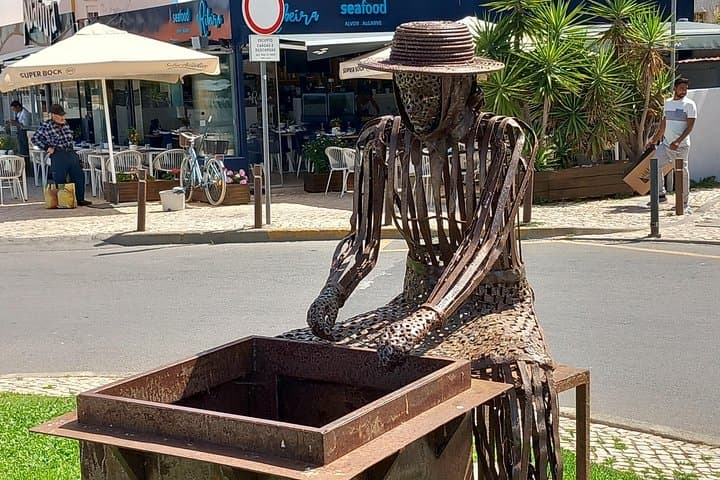
Self Guided Scavenger Hunt in Alvor
This activity has been designed by a local ‘expert’, who has created a fun experience that takes you to some of the town’s highlights and the lesser-known places, away from all the tourists. The...
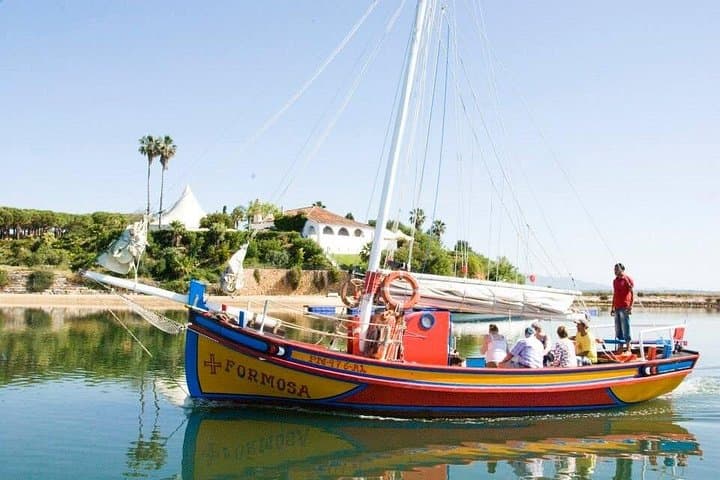
Full Day Alvor Day Trip from Lagos
Our sail boats are floating museums and an important part of Portuguese naval heritage. Constructed the old fashioned way made completely of wood making them extremely stable and secure. Very easy to...
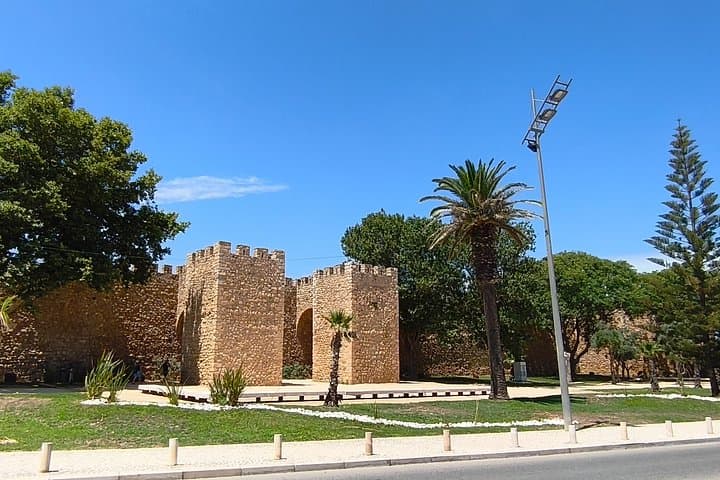
Enjoy The Private Tour to Silves Castle, Lagos & Ponta da Piedade
After pickup from your accommodation, begin your day exploring the medieval Castle of Silves and the statue of King Sancho I, an important symbol of the Christian Reconquest. Walk along its ancient...

What's Nearby
Discover more within 10km
Full Day Alvor Day Trip from Lagos
Our sail boats are floating museums and an important part of Portuguese naval heritage. Constructed the old fashioned way made completely of wood making them extremely stable and secure. Very easy to...
Kayak & Stand Up Paddle in Ferragudo | SELF-GUIDED
This experience gives you the freedom to explore Ferragudo from the water, without joining a guided group.
Enjoy The Private Tour to Silves Castle, Lagos & Ponta da Piedade
After pickup from your accommodation, begin your day exploring the medieval Castle of Silves and the statue of King Sancho I, an important symbol of the Christian Reconquest. Walk along its ancient...
Self Guided Scavenger Hunt in Alvor
This activity has been designed by a local ‘expert’, who has created a fun experience that takes you to some of the town’s highlights and the lesser-known places, away from all the tourists. The...

More Places to Discover
Discover more of the Algarve
Vila do Bispo
The last town before the end of Europe — a working crossroads settlement in the far southwest, surrounded by the densest concentration of megalithic monuments on the Iberian Peninsula, and the final staging post on the Via Algarviana.